ManWinWin BLOG
Compressor Maintenance Management: Best Practices, Schedules, and Cost-Saving Tips
Learn effective compressor maintenance management with our comprehensive guide on best practices, scheduling, and cost-saving tips to maximize equipment lifespan and efficiency.
Effective compressor maintenance management ensures reliability, extends equipment lifespan, and reduces downtime.
This guide covers essential strategies, scheduling, troubleshooting, and cost optimization to keep your compressors running smoothly.

Introduction
Proper compressor maintenance management is crucial for maximizing equipment efficiency, reducing downtime, and extending the lifespan of your compressors. A well-structured maintenance plan involves routine checks, timely repairs, and a comprehensive understanding of potential issues that can impact performance. By implementing preventive maintenance strategies and creating an effective schedule, you can avoid costly breakdowns and ensure consistent operation.
This guide provides key insights into developing a proactive maintenance approach, troubleshooting common problems, and optimizing costs. Whether you’re managing a single compressor or an entire fleet, these best practices will help you maintain peak performance, minimize expenses, and enhance overall operational reliability.
1. Preventive Maintenance Strategies
Preventive maintenance is a proactive approach aimed at preventing compressor failures before they occur, ensuring that the equipment runs efficiently and reliably over time. Regular maintenance not only minimizes downtime and costly repairs but also extends the compressor’s lifespan and improves energy efficiency. By addressing small issues early, you can avoid major breakdowns and maintain consistent performance.
Key tasks involved in preventive maintenance include inspecting filters to prevent dirt and debris from clogging the system, checking oil levels to ensure proper lubrication and cooling, and monitoring wear and tear on critical components like belts, valves, and seals. Regularly tightening loose bolts, draining moisture from tanks, and checking for air leaks are also vital steps.
To stay organized, develop a routine maintenance checklist that includes daily, weekly, monthly, and annual tasks.
This checklist should be customized to your specific equipment and operational environment, taking into account factors such as usage frequency and ambient conditions.
An effective checklist serves as a guide for maintenance teams, ensuring that no critical tasks are overlooked and that the compressor remains in peak condition.
ManWinWin Software is the result of 40+ years of experience and know-how
We have helped companies around the world to improve their maintenance

Recognized

Microsoft Partner
Customers
Countries
Languages
Partners
2. Creating a Maintenance Schedule
Designing an effective maintenance schedule is crucial for keeping compressors in optimal condition while minimizing unplanned downtime and repair costs. The schedule should be tailored to the specific needs of your compressors, taking into account factors such as usage patterns, operating environment, and manufacturer recommendations.
1. Assess Usage and Environment
Begin by evaluating how often and under what conditions the compressor is used. Compressors that run continuously or in harsh environments (e.g., dusty or humid conditions) will require more frequent maintenance than those operating intermittently in clean environments. Consider factors like the number of operating hours, load levels, and exposure to contaminants when determining the frequency of maintenance tasks.
2. Follow Manufacturer Recommendations
Review the manufacturer’s maintenance guidelines for your specific compressor model. These recommendations provide a baseline for scheduling tasks such as filter changes, oil checks, belt inspections, and component replacements. Adhering to these guidelines ensures that your maintenance practices are aligned with the equipment’s design specifications and warranty requirements.
3. Customize the Maintenance Plan
Create a maintenance schedule that outlines daily, weekly, monthly, and annual tasks based on the compressor’s usage and environment. For example, daily tasks might include checking for unusual noises and inspecting oil levels, while monthly tasks could involve cleaning filters and checking for leaks. Adjust the frequency of these tasks as needed, depending on your specific conditions and operational demands. Ensure that critical tasks, such as checking safety features and pressure relief valves, are included at appropriate intervals.
4. Utilize Tools and Software for Scheduling
Leverage maintenance management tools and software to streamline the scheduling and tracking of maintenance activities. Computerized Maintenance Management Systems (CMMS) can help automate reminders for routine checks, track the completion of tasks, and store detailed records of maintenance history. These systems also provide analytics that can identify patterns in equipment performance and predict when future maintenance might be needed, allowing for more proactive management.
Ensure that all team members understand the maintenance schedule and their responsibilities. Use the software to assign tasks, monitor progress, and provide training on proper maintenance procedures. Regular communication and training help to maintain consistency and quality in maintenance practices.
By considering these factors and using the right tools, you can develop a maintenance schedule that maximizes efficiency, prolongs equipment life, and minimizes unexpected breakdowns.
3. Troubleshooting and Common Repairs
Effective troubleshooting and repair are essential for maintaining compressor efficiency and preventing unexpected downtime. Knowing how to identify common issues, apply basic repair techniques, and follow safety guidelines ensures that your compressor operates smoothly and reliably.
Leaks: Air or fluid leaks, found in hoses, fittings, or seals, can reduce efficiency and cause damage. Symptoms include decreased pressure output or unusual noise. Inspect for visible leaks and listen for hissing sounds.
Pressure Drops: Pressure drops may indicate worn valves, leaks, or blockages. Symptoms include reduced performance and inability to maintain pressure. Check for blockages or leaks and inspect component conditions.
Simple Repairs: Minor issues like clogged filters or loose fittings can often be resolved with basic maintenance. Clean or replace filters, tighten connections, and top up oil as needed.
Complex Repairs: For significant issues like major component failures or electrical problems, seek professional assistance. Complex repairs often require specialized knowledge and tools to avoid further damage.
Power Down: Always disconnect the compressor from its power source before starting repairs to prevent electrical shock.
Use PPE: Wear safety glasses, gloves, and hearing protection to protect yourself from potential hazards.
Follow Guidelines: Adhere to the manufacturer’s repair guidelines and use recommended parts to ensure safe and effective repairs.
Ventilation: Work in a well-ventilated area to avoid inhaling fumes and reduce fire risks.
Seek Expert Advice: Consult a professional if you’re unsure about any repair or if problems persist, ensuring safe and effective solutions.
Overheating: Causes of overheating include poor ventilation, clogged filters, or low oil levels. Look for increased operating temperatures or frequent tripping of thermal protection devices. Ensure proper airflow, clean filters, and check oil levels.
By understanding these common issues and repair protocols, you can maintain your compressor’s performance and address problems efficiently.
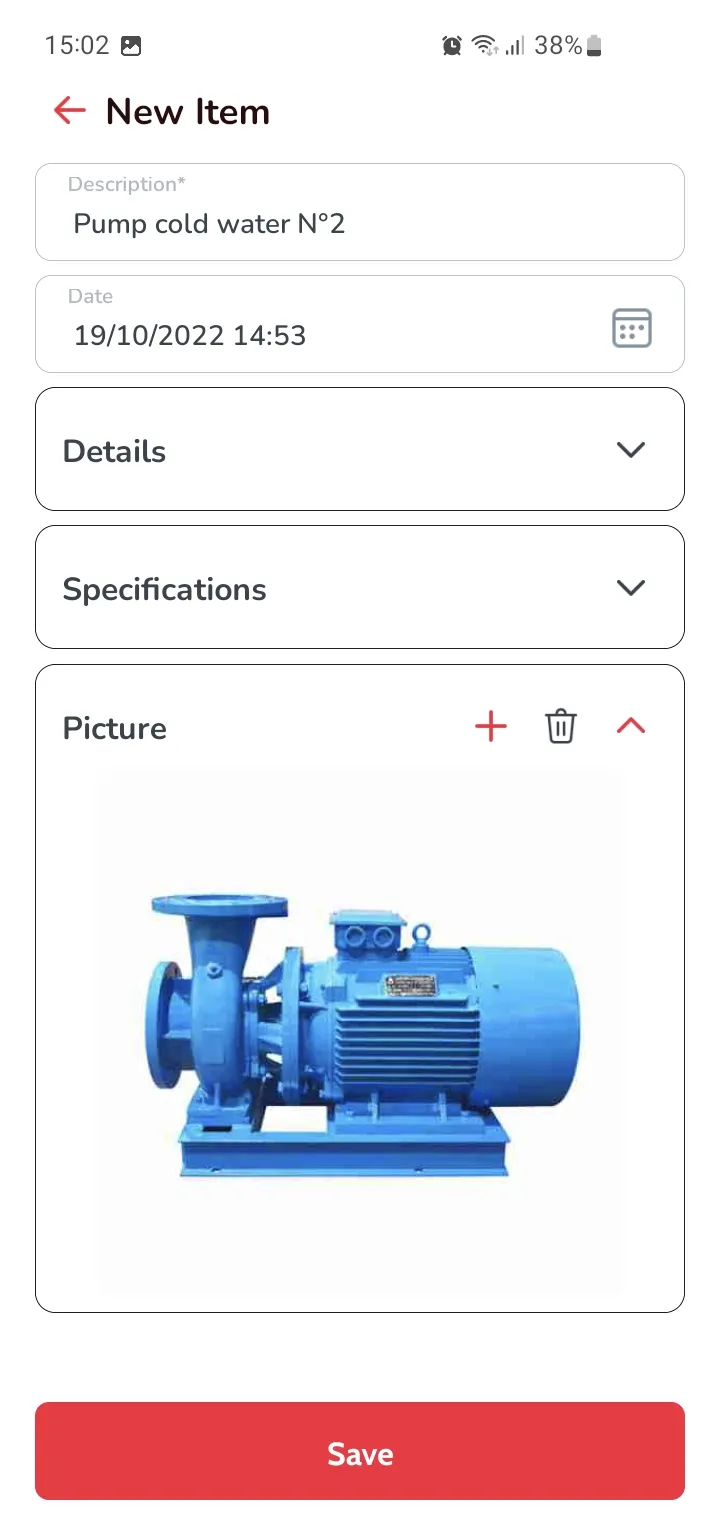
Join ManWinWin Software, the world’s most experienced company in CMMS!
Choose a better way to manage your Maintenance
Watch or book a Demo
Watch a recorded demo or get to know ManWinWin guided by one of our experts.
Use ManWinWin free version
Free forever industrial maintenance management software up to 100 Assets. Start today!
4. Cost Management and Optimization
Efficient cost management and optimization are key to maintaining a budget-friendly and high-performing compressor system. By strategically budgeting for maintenance, reducing operational costs, and making informed decisions about repairs versus replacements, you can achieve significant savings and enhance overall system efficiency.
1. Budgeting for Maintenance Costs:
- Parts: Allocate a portion of your budget for routine replacement parts such as filters, belts, and seals. Regularly review and adjust your parts inventory to match usage patterns and prevent overstocking or shortages.
- Labor: Factor in labor costs for both in-house maintenance personnel and external service providers. Estimate the time required for routine tasks and potential repairs, and ensure that your budget accommodates these expenses.
- Downtime: Account for potential downtime costs associated with maintenance and repairs. Develop a plan to minimize downtime impact by scheduling maintenance during off-peak hours or using backup systems if available.
2. Tips for Reducing Costs:
- Energy Efficiency: Improve energy efficiency by regularly maintaining and tuning your compressor to ensure it operates at peak efficiency. Consider upgrading to energy-efficient models or implementing energy-saving technologies such as variable speed drives.
- Proper Storage: Protect your compressor from environmental factors such as moisture, dust, and extreme temperatures by storing it in a clean, climate-controlled area. Proper storage extends equipment life and reduces maintenance needs.
- Regular Inspections: Conduct routine inspections to identify and address minor issues before they escalate into major problems. Regular maintenance, such as cleaning, lubrication, and alignment checks, helps prevent costly repairs and improves overall performance.
3. Evaluating When to Repair vs. Replace:
- Assess Repair Costs: Evaluate the cost of repairing a compressor versus replacing it by comparing the expenses involved in fixing the current unit with the cost of acquiring a new one. Consider factors such as the age of the compressor, frequency of repairs, and the cost of parts and labor.
- Analyze Performance and Reliability: If a compressor is frequently breaking down or experiencing performance issues despite regular repairs, it may be more cost-effective to replace it with a newer, more reliable model. Newer models often come with improved efficiency and reduced operational costs.
- Consider Long-Term Savings: When deciding whether to repair or replace, weigh the long-term savings associated with energy efficiency, reduced maintenance needs, and potential downtime. Investing in a new compressor may offer better overall value and lower lifetime costs.
Discover ManWinWin services in maintenance management consulting

Implementation
The implementation consultancy is the component that turns a good software into a good solution.
Training
Training is the component that consolidates and sustains the solution on the client.

Want to know how the world’s most experienced CMMS maintenance management software can help you?
Optimizing Compressor Maintenance with ManWinWin Software
ManWinWin Software offers robust solutions for managing compressor maintenance, enhancing operational efficiency, and reducing costs. As a comprehensive Computerized Maintenance Management System (CMMS), it helps streamline maintenance processes and optimize the performance of compressor systems.
Features and Benefits of ManWinWin Software
Maintenance Scheduling: ManWinWin enables the creation and management of detailed maintenance schedules for compressors. Users can set up preventive maintenance tasks, schedule inspections, and automate reminders to ensure timely and consistent maintenance.
Asset Management: The software provides tools for tracking compressor assets, including detailed records of maintenance history, parts usage, and service intervals. This information helps in making informed decisions about repairs, replacements, and overall asset management.
Cost Tracking: ManWinWin allows users to track and manage maintenance costs, including parts, labor, and downtime. By analyzing expenditure data, organizations can identify cost-saving opportunities and budget more effectively.
Reporting and Analytics: The software generates detailed reports and analytics on maintenance activities, equipment performance, and cost metrics. These insights help in evaluating the effectiveness of maintenance strategies and identifying areas for improvement.
Benefits for Compressor Maintenance
Improved Efficiency: By automating maintenance scheduling and tracking, ManWinWin helps streamline processes, reduce manual effort, and minimize the risk of missed maintenance tasks.
Enhanced Decision-Making: Access to detailed maintenance records, cost analysis, and performance reports supports data-driven decision-making, allowing you to optimize maintenance strategies and manage compressor assets more effectively.
Cost Savings: Effective cost tracking and analysis help identify opportunities for reducing maintenance expenses and improving overall cost management.
Implementing ManWinWin for Compressor Maintenance Management
Customization: Tailor the software to your specific needs by configuring maintenance schedules, setting up custom alerts, and integrating with existing systems. This customization ensures that ManWinWin aligns with your operational requirements and maintenance practices.
Training and Support: Ensure that your team is trained to use ManWinWin effectively. Take advantage of training resources and support services provided by the software vendor to maximize the benefits and streamline maintenance operations.
Integration: Integrate ManWinWin with other operational systems, such as inventory management or enterprise resource planning (ERP) systems, for a seamless flow of information and improved coordination across departments.
Regular Updates: Keep the software updated with the latest features and improvements. Regular updates ensure that you benefit from new functionalities and enhancements that can further optimize compressor maintenance management.
ManWinWin Software provides a comprehensive solution for managing compressor maintenance, from scheduling and cost tracking to reporting and analytics.
By leveraging its features, organizations can enhance efficiency, make informed decisions, and achieve significant cost savings in their maintenance operations.
Join ManWinWin Software, the world’s most experienced company in CMMS!
Choose a better way to manage your Maintenance