ManWinWin BLOG
5 Proven Strategies to Effectively Organize Your Maintenance Department
Discover 5 proven strategies to efficiently organize your maintenance department, enhance productivity, and streamline operations for better performance.
Organizing a maintenance department effectively is key to ensuring smooth operations and minimizing downtime.
By focusing on clear roles, preventive planning, and continuous improvement, you can build a productive and efficient team. Here are five proven strategies to help you achieve that goal.

An organized maintenance department is the backbone of any facility’s operational success. Proper organization reduces downtime, extends equipment lifespan, and enhances productivity. By defining clear roles, implementing structured plans, and utilizing the right tools, maintenance teams can operate more efficiently and effectively.
However, organization isn’t just about processes and tools—it also involves fostering a culture of continuous improvement and training. By establishing clear performance metrics and providing ongoing learning opportunities, you empower your team to stay ahead of challenges and maintain high standards of excellence. Here are five proven strategies to help you build a well-organized maintenance department that drives long-term success.
1. Defining Roles and Responsibilities
Defining roles and responsibilities within a maintenance department is a critical step toward achieving an organized, efficient, and accountable team. When team members clearly understand their specific duties, it prevents confusion, overlaps, and delays, ensuring that everyone knows exactly what is expected of them. This clarity is crucial for creating a streamlined workflow where each individual can focus on their areas of expertise, contributing to a well-coordinated team effort.
Start by categorizing the key roles within the department—such as maintenance technicians, supervisors, planners, managers, and support staff. Each role should come with a detailed job description that outlines specific responsibilities, required skills, and reporting relationships. For example, maintenance technicians might be responsible for routine inspections, troubleshooting, and repairs, while supervisors focus on coordinating daily activities, ensuring compliance with safety standards, and managing the team’s workload. Planners may handle scheduling, work order management, and inventory control, while managers oversee budgeting, strategic planning, and performance evaluations.
Establishing clear roles also aids in setting performance expectations and identifying areas for professional development. By having defined responsibilities, team members can be held accountable for their tasks, allowing managers to easily track performance and address any issues that arise. Additionally, this structure supports succession planning and skill development, ensuring that there are qualified individuals ready to step into more advanced roles as needed.
ManWinWin Software is the result of 40+ years of experience and know-how
We have helped companies around the world to improve their maintenance

Recognized

Microsoft Partner
Customers
Countries
Languages
Partners
2. Implementing a Preventive Maintenance Plan
Developing and executing a preventive maintenance plan is crucial for minimizing downtime and extending the life of your equipment. By proactively addressing potential issues before they lead to failures, you can ensure that your operations run smoothly and efficiently. Here are four key steps to successfully implement a preventive maintenance plan:
Conduct a Thorough Equipment Assessment
Start by performing a comprehensive assessment of all equipment and machinery. This involves cataloging each asset, evaluating its condition, and understanding its maintenance history. Identify critical equipment that has a significant impact on operations and prioritize it for more frequent maintenance. This assessment will help you determine the specific maintenance needs and frequencies for each piece of equipment.
Develop a Preventive Maintenance Schedule
Based on the assessment, create a detailed maintenance schedule that outlines when and what type of maintenance tasks need to be performed. This schedule should include routine inspections, cleaning, lubrication, adjustments, and any other preventive measures. Use historical data, manufacturer recommendations, and industry best practices to establish optimal intervals for each task. A well-organized schedule helps ensure that maintenance activities are performed consistently and on time.
Implement Maintenance Management Software
Utilize maintenance management software to streamline and automate the execution of your preventive maintenance plan. Such software can help track maintenance schedules, generate work orders, manage inventory, and record maintenance activities. By centralizing this information, you can improve coordination, reduce manual errors, and gain valuable insights into equipment performance and maintenance trends.
Monitor, Review, and Adjust
Regularly monitor the effectiveness of your preventive maintenance plan by reviewing performance metrics, downtime records, and maintenance outcomes. Analyze this data to identify any patterns or areas for improvement. Adjust the plan as needed based on new insights, changes in equipment usage, or evolving operational requirements. Continuous evaluation ensures that your preventive maintenance plan remains effective and aligned with your facility’s needs.
By following these steps, you can develop a robust preventive maintenance plan that minimizes unexpected breakdowns, extends the lifespan of your equipment, and enhances overall operational efficiency.
3. Utilizing Maintenance Management Software
Utilizing maintenance management software is a transformative approach for enhancing the efficiency and effectiveness of your maintenance operations. These software tools offer comprehensive solutions for tracking tasks, managing assets, and optimizing scheduling, which can significantly improve your maintenance processes. Here’s how you can leverage maintenance management software effectively:
Centralize Asset Management
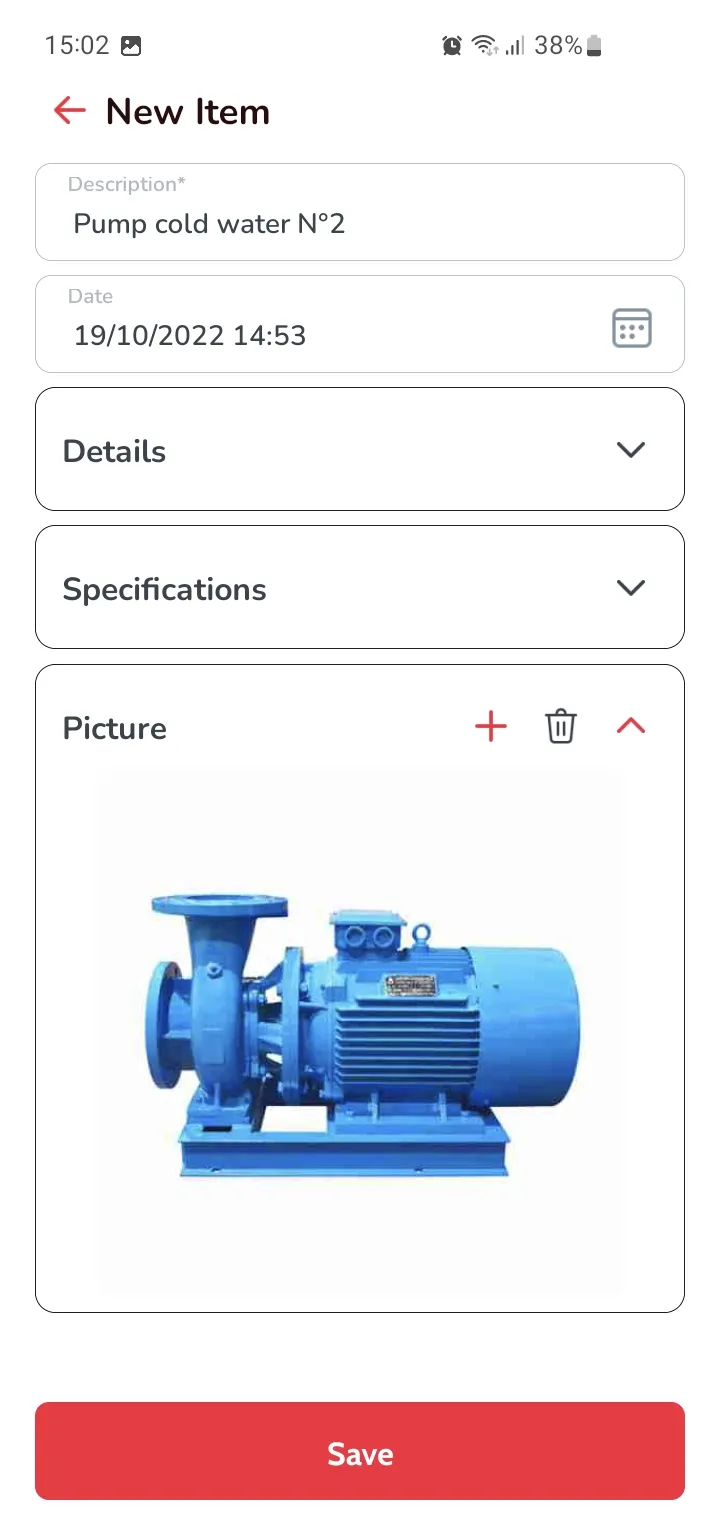
Maintenance management software allows you to create a centralized database of all your assets, including machinery, equipment, and infrastructure. By inputting detailed information such as asset specifications, maintenance history, and service records, you gain a clear overview of each asset’s condition and performance. This centralized approach helps in monitoring asset health, planning upgrades, and making informed decisions about repairs and replacements.
Streamline Task Tracking and Work Orders
With maintenance management software, you can efficiently track maintenance tasks and manage work orders. The software enables you to generate and assign work orders, set priorities, and track their status from creation to completion. Automated notifications and reminders ensure that tasks are executed on time, reducing the risk of missed or delayed maintenance activities. This systematization improves accountability and helps maintain a clear record of all maintenance activities.
Optimize Scheduling and Resource Allocation
Effective scheduling is crucial for minimizing downtime and maximizing resource utilization. Maintenance management software provides tools for creating and managing maintenance schedules, including preventive, predictive, and corrective tasks. By analyzing historical data and usage patterns, the software can help you optimize maintenance intervals and allocate resources more efficiently. This optimization ensures that maintenance activities are performed at the most appropriate times, reducing the impact on operations.
Generate Reports and Analyze Performance
The software offers robust reporting and analytics capabilities, allowing you to generate detailed reports on various aspects of maintenance operations. You can track key performance indicators (KPIs), analyze maintenance costs, and evaluate equipment performance. These insights help you identify trends, assess the effectiveness of your maintenance strategies, and make data-driven decisions to improve overall efficiency.
Join ManWinWin Software, the world’s most experienced company in CMMS!
Choose a better way to manage your Maintenance
Watch or book a Demo
Watch a recorded demo or get to know ManWinWin guided by one of our experts.
Use ManWinWin free version
Free forever industrial maintenance management software up to 100 Assets. Start today!
4. Establishing Key Performance Indicators (KPIs)
Establishing Key Performance Indicators (KPIs) is a vital component for evaluating the performance and efficiency of your maintenance team. KPIs provide measurable goals that help you assess how well your maintenance operations are performing and identify areas for improvement. Here’s a guide on setting effective KPIs for your maintenance department:
Define Relevant KPIs
Start by identifying the KPIs that are most relevant to your maintenance objectives. Common KPIs include:
- Mean Time to Repair (MTTR): Measures the average time taken to repair equipment after a failure. Lower MTTR indicates quicker response and resolution times.
- Mean Time Between Failures (MTBF): Tracks the average time between equipment failures. Higher MTBF suggests better reliability and effective maintenance practices.
- Maintenance Cost per Unit of Production: Calculates the maintenance cost relative to the amount of production or output. This helps assess the cost-effectiveness of your maintenance efforts.
- Percentage of Preventive vs. Reactive Maintenance: Measures the proportion of preventive maintenance tasks compared to reactive ones. A higher percentage of preventive maintenance indicates a proactive approach to maintenance.
Set Clear and Achievable Targets
For each KPI, establish clear, achievable targets that align with your maintenance goals and operational needs. Targets should be specific, measurable, attainable, relevant, and time-bound (SMART). For example, if your current MTTR is 8 hours, you might set a target to reduce it to 6 hours within the next six months. Ensure that targets are realistic and consider factors such as equipment age, complexity, and available resources.
Monitor and Track Performance
Regularly monitor and track your KPIs using maintenance management software or other tracking tools. Consistent data collection and analysis provide insights into performance trends and highlight areas that need attention. Set up dashboards or reports that display KPI data in real time, making it easier to assess performance and make timely adjustments.
Review and Adjust KPIs
Periodically Periodically review and adjust your KPIs to ensure they remain relevant and aligned with evolving business objectives. As your maintenance strategies and equipment change, it may be necessary to update your KPIs or modify targets. Regular reviews help keep the team focused on the most critical performance aspects and ensure continuous improvement.
By establishing and monitoring KPIs, you create a framework for evaluating the performance and efficiency of your maintenance team. This approach not only helps in identifying strengths and weaknesses but also drives improvements in maintenance practices, ultimately contributing to enhanced operational efficiency and reduced downtime.
Discover ManWinWin services in maintenance management consulting

Implementation
The implementation consultancy is the component that turns a good software into a good solution.
Training
Training is the component that consolidates and sustains the solution on the client.

Want to know how the world’s most experienced CMMS maintenance management software can help you?
5. Fostering Continuous Training and Development
Fostering continuous training and development is essential for maintaining a skilled and knowledgeable maintenance team. By encouraging ongoing learning, you ensure that your team stays current with the latest maintenance techniques, technologies, and safety protocols. Here’s how to effectively promote continuous training and development within your maintenance department:
Assess Training Needs and Develop a Plan
Begin by assessing the current skills and knowledge gaps within your maintenance team. Conduct regular evaluations to identify areas where additional training is needed, such as new technologies, equipment, or industry standards. Based on these assessments, develop a comprehensive training plan that outlines specific learning objectives, required resources, and timelines. This plan should address both technical skills and soft skills, such as problem-solving and communication.
Offer Diverse Training Opportunities
Provide a variety of training opportunities to cater to different learning preferences and needs. This can include formal training sessions, workshops, online courses, and hands-on practice. Invite industry experts to conduct seminars or webinars, and encourage team members to attend relevant conferences and trade shows. Additionally, consider creating internal training programs where experienced team members can share their knowledge with others through mentorship or peer-to-peer learning sessions.

Promote a Culture of Lifelong
Learning Foster a culture that values and supports continuous learning by encouraging team members to pursue professional development actively. Recognize and reward those who take initiative in expanding their skills and knowledge. Create an environment where learning is integrated into daily activities, and provide access to resources such as training materials, industry publications, and online learning platforms. By demonstrating a commitment to ongoing development, you motivate your team to embrace lifelong learning.
Evaluate Training
Effectiveness and Adjust Accordingly Regularly evaluate the effectiveness of your training programs to ensure they meet their objectives and provide value. Collect feedback from participants, monitor improvements in performance, and assess the impact on maintenance operations. Use this information to make necessary adjustments to the training plan, such as updating content, refining delivery methods, or addressing any identified gaps. Continuous evaluation ensures that your training efforts remain relevant and effective.
By prioritizing continuous training and development, you equip your maintenance team with the skills and knowledge needed to excel in their roles. This investment not only enhances their technical proficiency and safety awareness but also contributes to improved overall performance and job satisfaction. A well-trained team is better prepared to handle the challenges of modern maintenance practices, leading to more efficient operations and a safer work environment.
Optimizing Maintenance Operations with Manwinwin
Integrating Manwinwin software into your maintenance operations can significantly enhance the effectiveness of each critical area. By defining roles and responsibilities within the software, you can clearly outline each team member’s tasks and accountability, ensuring a smooth workflow and eliminating confusion.
Manwinwin’s asset management capabilities facilitate the development and execution of a preventive maintenance plan, helping you schedule and track maintenance tasks to minimize downtime and extend equipment life.
Manwinwin software excels in optimizing scheduling and task management, which is crucial for utilizing maintenance management tools effectively. By setting and tracking Key Performance Indicators (KPIs) within the software, you can measure the performance and efficiency of your maintenance team, allowing for data-driven improvements.
The software also supports continuous training and development by providing access to valuable resources and performance analytics, ensuring your team stays updated with the latest techniques and safety protocols.
Overall, Manwinwin offers a comprehensive solution to streamline and enhance your maintenance operations, aligning with your organizational goals for improved efficiency and performance.
Join ManWinWin Software, the world’s most experienced company in CMMS!
Choose a better way to manage your Maintenance