ManWinWin Software
How to Handle Maintenance Requests Seamlessly
Say goodbye to paper trails! An efficient maintenance request & tracking system streamlines communication and keeps your operations running smoothly.
Maintenance request management systems play a crucial role in efficiently handling and tracking maintenance requests across various industries, from facilities management to IT support.


Introduction
Maintenance operations form the backbone of industrial continuity, ensuring equipment functionality and operational efficiency. Central to this operational lifeline are maintenance requests, serving as the conduit between identified maintenance needs and responsive action. However, amidst the urgency of maintenance, safety stands as an unyielding priority.
In this discussion, we explore the intricate balance between efficiency and safety in maintenance request management. Emphasizing the indispensable role of lockout/tagout (LOTO) procedures, we navigate through strategies to optimize maintenance operations while safeguarding personnel and equipment integrity. Join us as we unravel the symbiosis between operational agility and safety, ensuring that maintenance activities not only sustain productivity but also prioritize the well-being of all involved.
1. Maintenance Request Management Systems
Maintenance request management systems play a crucial role in efficiently handling and tracking maintenance requests across various industries, from facilities management to IT support. These systems typically involve software solutions designed to streamline the process of submitting, prioritizing, assigning, and monitoring maintenance tasks, ultimately ensuring timely resolution and effective resource allocation. Here’s how these systems contribute to efficient maintenance management:
Centralized Request Submission: Maintenance request management systems provide a centralized platform where users can submit maintenance requests. This could be through a web portal, mobile app, or email integration. By having a single point of entry, organizations can capture all maintenance needs in one place, preventing requests from getting lost or overlooked.
Automated Prioritization: Upon submission, maintenance requests can be automatically categorized and prioritized based on factors such as severity, impact on operations, and service level agreements (SLAs). This helps maintenance teams quickly identify and address critical issues first, ensuring that resources are allocated effectively.
Assignment and Dispatching: Once prioritized, maintenance tasks are assigned to the appropriate personnel or teams based on skillset, availability, and workload. Advanced maintenance request management systems can automate this process, routing tasks to the most suitable technicians or contractors. Dispatching features ensure that tasks are assigned promptly, minimizing delays in resolution.
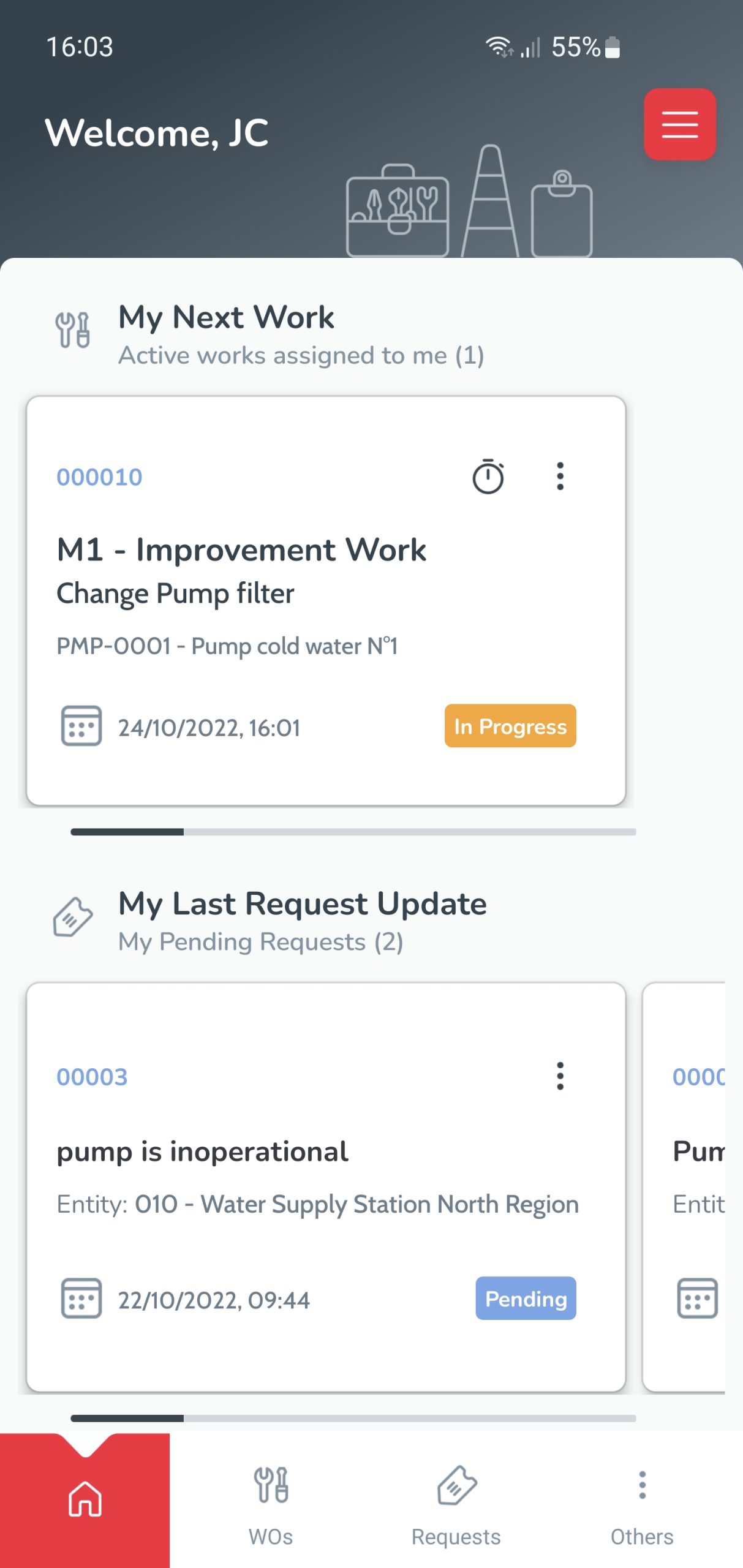
Real-Time Monitoring and Tracking: Maintenance request management systems enable real-time monitoring and tracking of task status and progress. Through dashboards and reporting tools, stakeholders can easily view the status of open, pending, and completed requests. This visibility allows for better decision-making, resource planning, and SLA compliance monitoring.
Communication and Collaboration: These systems facilitate communication and collaboration among stakeholders involved in the maintenance process. Users can communicate updates, share relevant information, and collaborate on resolving issues within the platform. This fosters transparency, accountability, and teamwork, leading to faster resolution times and improved customer satisfaction.
Historical Data and Analytics: Maintenance request management systems capture historical data on past maintenance activities, including request volumes, response times, and resolution metrics. Analyzing this data provides valuable insights into trends, recurring issues, and areas for process improvement. Organizations can use these insights to optimize maintenance workflows, refine SLAs, and allocate resources more effectively.
Integration with Asset Management Systems: Many maintenance request management systems integrate with asset management systems, enabling seamless coordination between maintenance activities and asset lifecycle management. This integration ensures that maintenance tasks are aligned with asset maintenance schedules, warranties, and compliance requirements, optimizing asset performance and longevity.
ManWinWin Software is the result of 40+ years of experience and know-how
With thousands of users in 120+ countries in the World. Created by Portuguese Engineers has been improved with implementations, and listening to thousands of clients worldwide using the system, their day-to-day struggles, their needs and wants.
We have helped companies around the world to improve their maintenance

Recognized
By Gartner Group

Microsoft Partner
Application Development
Customers
Countries
Languages
Partners

Christian Schilling
ManWinWin Software actively challenged our way of thinking and guided us to focus on what was most important, ie on what we really needed.

Project Manager
INIT Dubai FZE
2. Lockout/Tagout (LOTO) Procedures
Lockout/tagout (LOTO) procedures are critical safety measures employed during maintenance activities to protect workers and equipment from hazardous energy sources. These procedures involve the isolation of energy sources and the placement of lockout or tagout devices to prevent the accidental startup of machinery or equipment. Here’s why LOTO procedures are essential and how they ensure safety:
Preventing Accidental Startups: LOTO procedures are designed to prevent the accidental startup of machinery or equipment while maintenance or servicing is being performed. By isolating energy sources and immobilizing equipment with lockout or tagout devices, workers are protected from unexpected releases of stored energy, such as electrical, mechanical, hydraulic, or pneumatic energy.
Protecting Workers: Implementing LOTO procedures helps safeguard the well-being of maintenance personnel by minimizing the risk of serious injuries or fatalities caused by inadvertent equipment activation. Lockout/tagout devices serve as visible indicators that equipment is undergoing maintenance and should not be operated, reducing the likelihood of human error or unauthorized access.
Compliance with Regulations: LOTO procedures are mandated by occupational health and safety regulations in many jurisdictions, such as OSHA (Occupational Safety and Health Administration) in the United States. Compliance with these regulations is essential for businesses to avoid penalties and legal liabilities associated with workplace accidents resulting from improper lockout/tagout practices.
Guidelines and Training: Proper implementation of LOTO procedures requires comprehensive guidelines and training programs for workers. These guidelines outline the steps for identifying energy sources, applying lockout/tagout devices, verifying equipment isolation, and safely performing maintenance tasks. Training ensures that workers understand the importance of LOTO procedures, recognize potential hazards, and know how to effectively implement them in various scenarios.
Case Studies and Consequences: Numerous case studies highlight the severe consequences of improper LOTO implementation, including severe injuries, fatalities, equipment damage, and production disruptions. For example, incidents involving accidental machine startups during maintenance have resulted in crush injuries, electrocutions, and amputations. These case studies serve as sobering reminders of the importance of adhering to LOTO procedures and the potential costs of non-compliance.
Continuous Improvement: Implementing LOTO procedures is not a one-time effort but an ongoing commitment to safety improvement. Organizations should regularly review and update their LOTO policies, procedures, and training materials to reflect changes in equipment, processes, regulations, and best practices. Continuous improvement efforts help mitigate risks and ensure that workers remain adequately protected during maintenance activities.
3. Scheduled Maintenance vs. Emergency Repairs
Distinguishing between scheduled maintenance and emergency repairs within a maintenance request system is crucial for effective prioritization, resource allocation, and streamlined communication. Here’s how differentiating between these two types of tasks contributes to efficient maintenance management, particularly in situations where Lockout/Tagout (LOTO) procedures may need to be implemented differently:
Prioritization: By categorizing maintenance requests as either scheduled maintenance or emergency repairs, maintenance managers can prioritize tasks based on their urgency and impact on operations. Emergency repairs, which address critical issues threatening safety or causing significant downtime, are given immediate attention to minimize disruption. Scheduled maintenance tasks, on the other hand, can be planned and scheduled according to predetermined maintenance schedules or asset lifecycle requirements.
Resource Allocation: Proper differentiation allows maintenance teams to allocate resources effectively. Emergency repairs may require immediate deployment of skilled technicians, spare parts, and equipment to resolve the issue promptly. In contrast, scheduled maintenance tasks can be scheduled during planned downtime periods, optimizing resource utilization and minimizing disruptions to regular operations.
Communication and Coordination: Clear differentiation between scheduled maintenance and emergency repairs facilitates effective communication and coordination among stakeholders. Maintenance request systems can include predefined escalation procedures and communication channels for emergency situations, ensuring that relevant personnel are notified promptly and appropriate actions are taken. This ensures a swift response to emergencies while preventing unnecessary disruptions during scheduled maintenance activities.
LOTO Implementation: In situations requiring LOTO procedures, such as equipment servicing or repair, distinguishing between scheduled maintenance and emergency repairs is critical. While both types of tasks may involve LOTO, the implementation may differ based on the urgency and complexity of the task. Emergency repairs may require immediate LOTO implementation to ensure the safety of maintenance personnel and prevent further damage or injury. In contrast, scheduled maintenance tasks can be planned in advance, allowing for thorough LOTO procedures to be established and communicated to ensure safe execution.
Documentation and Reporting: Proper differentiation enables accurate documentation and reporting of maintenance activities, including the types of tasks performed, associated costs, and outcomes. This data is valuable for analyzing maintenance trends, identifying recurring issues, and optimizing maintenance strategies over time. Clear documentation also supports regulatory compliance and risk management efforts, demonstrating due diligence in maintaining a safe working environment.
Join ManWinWin Software, the world’s most experienced company in CMMS!
Choose a better way to manage your Maintenance
Watch or book a Demo
Watch a recorded demo or get to know ManWinWin guided by one of our experts.
Use ManWinWin free version
Free forever industrial maintenance management software up to 100 Assets. Start today!
4. Equipment Repair and Replacement
Assessing equipment for repair or replacement is a crucial aspect of maintenance management, involving careful consideration of various factors to determine the most cost-effective and efficient course of action. Here’s a comprehensive process for evaluating equipment and making informed decisions:
Routine Inspections and Monitoring: Regular inspections and monitoring of equipment performance are essential for identifying potential issues early on. Scheduled inspections can help detect wear and tear, performance degradation, or emerging problems before they escalate into major issues. Utilizing sensors and condition monitoring systems can provide real-time data on equipment health, enabling proactive maintenance interventions.
Performance Metrics: Establishing performance metrics and benchmarks is essential for assessing equipment effectiveness and identifying deviations from optimal performance. Key performance indicators (KPIs) may include uptime, reliability, efficiency, and maintenance costs. By tracking these metrics, maintenance managers can identify underperforming equipment that may require attention.
Age and Lifecycle Analysis: Consider the age of the equipment and its expected lifecycle when assessing repair or replacement options. While age alone is not always a determining factor, older equipment may be more prone to failures and require more frequent repairs. Conducting lifecycle cost analysis helps evaluate the total cost of ownership, including acquisition, maintenance, and operating costs, over the equipment’s expected lifespan.
Condition Assessment: Evaluate the current condition of the equipment to determine the extent of wear, damage, or deterioration. This assessment may involve visual inspections, non-destructive testing, or performance testing. Equipment in poor condition may require significant repairs or may be approaching the end of its useful life, prompting consideration for replacement.
Safety and Compliance: Ensure that equipment meets safety standards and regulatory requirements. Equipment that poses safety risks or no longer complies with regulations may need immediate attention or replacement to mitigate liabilities and ensure workplace safety.
Cost Analysis: Compare the costs of repairing the equipment versus replacing it. Consider factors such as the cost of parts, labor, downtime, and lost production revenue associated with repairs, as well as the upfront investment and potential operational benefits of new equipment. A cost-benefit analysis helps determine the most financially prudent option.
Technological Advancements: Evaluate advancements in technology that may offer improvements in performance, efficiency, and reliability. Newer equipment models may incorporate innovative features, automation capabilities, or energy-efficient designs that justify the investment in replacement.
Prioritization of Maintenance Requests: Implement a prioritization system for maintenance requests based on factors such as safety risks, operational impact, and criticality. Emergency repairs that pose immediate safety hazards or significantly disrupt operations should be addressed promptly, while routine maintenance tasks can be scheduled based on priority and available resources.
Decision-Making Criteria: Establish clear decision-making criteria for determining whether to repair or replace equipment. Consider factors such as the severity of the issue, the remaining useful life of the equipment, the availability of spare parts, and the overall impact on operations. Engage key stakeholders, such as maintenance technicians, operations managers, and finance personnel, in the decision-making process to ensure alignment with organizational goals and objectives.
By following this process and considering the various factors involved, maintenance managers can make informed decisions regarding equipment repair and replacement, optimizing asset performance, minimizing downtime, and maximizing return on investment. Regular reassessment of equipment condition and performance ensures that maintenance strategies remain aligned with business needs and objectives over time.

Discover ManWinWin services in maintenance management consulting

Implementation
The implementation consultancy is the component that turns a good software into a good solution.
Training
Training is the component that consolidates and sustains the solution on the client.

Want to know how the world’s most experienced CMMS maintenance management software can help you?
5. Safety Training and Awareness
Ongoing safety training and awareness programs are vital for maintenance personnel to ensure their safety and the safety of others while performing maintenance activities. Here’s why such programs are crucial and what they typically cover:
Risk Mitigation: Maintenance activities often involve working with hazardous materials, heavy machinery, and electrical systems, which pose significant risks if not handled properly. Safety training educates maintenance personnel about potential hazards and how to mitigate risks through proper protocols, procedures, and use of personal protective equipment (PPE).
Compliance with Regulations: Occupational safety regulations mandate that employers provide adequate training to employees working in hazardous environments or with dangerous equipment. Compliance with these regulations not only ensures legal adherence but also fosters a culture of safety within the organization.
Prevention of Accidents and Injuries: Safety training equips maintenance personnel with the knowledge and skills needed to prevent accidents, injuries, and fatalities. By understanding safe work practices, recognizing hazards, and following established protocols, workers can minimize the likelihood of incidents during maintenance activities.
Emergency Preparedness: Maintenance personnel need to be prepared to respond effectively in emergency situations, such as equipment malfunctions, chemical spills, or fires. Safety training includes instruction on emergency response procedures, evacuation plans, first aid, and the use of firefighting equipment, ensuring that workers can react promptly and appropriately to unforeseen events.

Proper Equipment Handling: Training programs teach maintenance personnel how to safely operate, inspect, and maintain equipment to prevent malfunctions and accidents. This includes proper lifting techniques, lockout/tagout procedures, and equipment-specific safety precautions.
Hazardous Material Handling: Maintenance personnel may encounter hazardous materials such as chemicals, gases, or biological agents during their work. Safety training educates workers on the safe handling, storage, and disposal of hazardous substances to minimize exposure and environmental risks.
Continuous Improvement: Safety training programs should be regularly updated to reflect changes in regulations, technology, and best practices. Continuous improvement efforts ensure that maintenance personnel stay informed about the latest safety standards and techniques, reducing the likelihood of complacency or outdated practices.
Promotion of Safety Culture: Ongoing safety training fosters a culture of safety within the organization, where employees prioritize safety in all aspects of their work. By promoting open communication, reporting of hazards, and active participation in safety initiatives, maintenance personnel contribute to a safer work environment for themselves and their colleagues
ManWinWin’s Role in Maintenance Request Management
ManWinWin can play a significant role in enhancing maintenance request management by offering a comprehensive set of tools and features tailored to improve efficiency and safety. Here’s how ManWinWin can contribute:
Centralized Data Management: ManWinWin provides a centralized platform for managing all maintenance requests, work orders, and related documentation. This allows maintenance teams to easily access information about equipment, past maintenance activities, and safety protocols, ensuring that all necessary precautions, including lockout/tagout procedures, are followed.
Automated Workflows: ManWinWin streamlines maintenance request workflows by automating tasks such as request submission and tracking. This automation reduces administrative overhead and ensures that maintenance requests are addressed promptly and in compliance with safety protocols.
Integration with Safety Procedures: ManWinWin can be customized to integrate specific safety procedures, including lockout/tagout protocols, into the maintenance request process. This ensures that safety requirements are consistently applied across all maintenance activities, reducing the risk of accidents and injuries.
Real-time Monitoring and Reporting: ManWinWin allows supervisors to monitor maintenance activities in real-time and generate reports on key performance metrics, including safety compliance. This visibility enables proactive identification of safety issues and the implementation of corrective actions to mitigate risks.
Training and Compliance Management: ManWinWin can be used to track employee training and certification in safety procedures, including lockout/tagout. The platform can send reminders for refresher training and ensure that all maintenance personnel are up-to-date on the latest safety requirements.
Overall, ManWinWin serves as a powerful tool for optimizing maintenance request management processes while prioritizing safety. By centralizing data, automating workflows, integrating safety procedures, providing real-time monitoring, and facilitating compliance management, ManWinWin helps organizations ensure the safety and efficiency of their maintenance operations.
Join ManWinWin Software, the world’s most experienced company in CMMS!
Choose a better way to manage your Maintenance