ManWinWin BLOG
Top Maintenance Software Solutions for Hospitals
Discover the best maintenance software solutions for hospitals. Improve efficiency, ensure compliance, and manage assets seamlessly with top CMMS and healthcare maintenance software.
Efficient maintenance is key to delivering high-quality patient care. Specialized software, like CMMS and asset management tools, helps hospitals streamline operations, ensure compliance, and cut costs.
This guide will explore the benefits of healthcare maintenance software and tips for selecting and implementing the right system.

Table of contents
2. Choosing the Right Healthcare Maintenance Software
3. Best Practices for Implementing Medical Facility Maintenance Software
4. The Role of Hospital Asset Management Software in Enhancing Operational Efficiency
Leveraging ManWinWin Software for Enhanced Hospital Maintenance Management
Introduction
In modern healthcare settings, maintaining equipment and facilities is essential for providing quality patient care and operational efficiency. With the complexity of medical environments, specialized maintenance software, such as Computerized Maintenance Management Systems (CMMS) and asset management tools, offers crucial support. These technologies help streamline maintenance processes, ensure compliance with regulations, and ultimately reduce operational costs.
As hospitals and medical facilities look to optimize their maintenance strategies, choosing the right software becomes a pivotal decision. This guide will delve into the benefits of healthcare maintenance software, outline key considerations for selecting the ideal system, and provide best practices for successful implementation. By leveraging these tools effectively, healthcare organizations can enhance their operational efficiency and focus on delivering exceptional patient care.
1. Benefits of Hospital CMMS
Computerized Maintenance Management Systems (CMMS) offer numerous benefits to hospitals by streamlining maintenance processes and ensuring the efficient operation of medical facilities. Here’s an overview of how CMMS can enhance hospital maintenance processes:
Centralized Maintenance Management: CMMS centralizes all maintenance-related information, allowing hospital maintenance teams to access data from a single platform. This reduces the time spent on administrative tasks and manual data entry.
Automated Work Orders: CMMS automates the creation, assignment, and tracking of work orders. Maintenance staff receive real-time notifications, which helps prioritize urgent tasks and reduces the response time to maintenance issues.
Preventive Maintenance Scheduling: The system allows for the scheduling of regular preventive maintenance, which helps to address potential issues before they lead to equipment failure. This proactive approach minimizes unplanned downtime.
Documentation and Reporting: Hospitals are subject to strict regulatory standards (e.g., Joint Commission, OSHA). CMMS provides robust documentation and reporting features, ensuring all maintenance activities are logged accurately. This helps in demonstrating compliance during audits.
Regulatory Alerts: CMMS can be configured to send alerts and reminders for regulatory compliance activities, ensuring that no critical inspection or maintenance task is overlooked.
Standardized Procedures: The system ensures that maintenance procedures follow standardized protocols, which are essential for compliance with health and safety regulations.
Asset Management: CMMS keeps detailed records of all hospital assets, including medical equipment, HVAC systems, and facility infrastructure. This data includes maintenance history, performance metrics, and lifecycle information.
Performance Analytics: The system provides analytics and reporting tools to track the performance of assets over time. This helps in identifying trends, understanding failure patterns, and making informed decisions about repairs and replacements.
Work Order History: Maintenance teams can easily access the history of work orders for specific equipment, allowing for better troubleshooting and understanding of recurring issues.
Reduced Repair Costs: By scheduling regular preventive maintenance, CMMS helps to catch issues early, preventing costly emergency repairs and extending the lifespan of equipment.
Inventory Management: CMMS assists in managing spare parts inventory by tracking usage and reordering parts when necessary. This ensures that parts are available when needed, reducing delays and costs associated with emergency procurement.
Energy Efficiency: Efficient maintenance of HVAC systems and other energy-consuming equipment leads to better energy management, resulting in lower utility bills and operational costs.
Labor Optimization: The system optimizes the allocation of maintenance staff, ensuring that the right resources are deployed for the right tasks, improving labor efficiency and reducing overtime costs.
Implementing a CMMS in hospitals offers significant advantages in terms of efficiency, compliance, tracking, and cost savings. By automating and streamlining maintenance processes, hospitals can ensure that their facilities and equipment are operating at peak performance, ultimately leading to improved patient care and safety.
ManWinWin Software is the result of 40+ years of experience and know-how
We have helped companies around the world to improve their maintenance

Recognized

Microsoft Partner
Customers
Countries
Languages
Partners
2. Choosing the Right Healthcare Maintenance Software
When selecting maintenance software for healthcare facilities, it’s crucial to consider several key factors to ensure the system meets the specific needs of the environment. Here’s a guide to help you choose the right healthcare maintenance software:
Key Features to Look For
Asset Tracking: The software should offer comprehensive asset tracking capabilities, allowing for detailed records of all hospital equipment, from medical devices to infrastructure components. This includes information on asset location, condition, maintenance history, and lifecycle management.
Work Order Management: Efficient work order management is essential. The software should automate the creation, assignment, and tracking of work orders, enabling maintenance staff to receive real-time notifications and updates. It should also allow for prioritization of tasks based on urgency.
Preventive Maintenance Scheduling: Look for software that supports the scheduling of preventive maintenance activities. This feature helps in planning regular checks and servicing to prevent equipment failures and extend the lifespan of assets.
Integration with Existing Hospital Systems
Electronic Health Records (EHRs): Ensure the maintenance software can integrate seamlessly with EHR systems. This integration is vital for linking equipment maintenance records with patient care activities, ensuring equipment used in treatments is properly maintained and safe.
Building Management Systems (BMS): Integration with BMS allows for centralized control and monitoring of the facility’s infrastructure, including HVAC, lighting, and security systems. This ensures coordinated maintenance efforts and better energy management.
Financial and Inventory Systems: The software should integrate with financial and inventory management systems to streamline budgeting, procurement, and inventory control processes. This helps in tracking maintenance costs and managing spare parts inventory efficiently.
User-Friendliness and Training Requirements
Intuitive Interface: The software should have an intuitive and user-friendly interface that allows maintenance staff to navigate and use the system with minimal training. Complex software can lead to inefficiencies and errors.
Training and Support: Consider the training requirements and support options provided by the vendor. Adequate training ensures that staff can effectively use the software, while ongoing support addresses any issues that arise post-implementation.
Scalability and Customization Options
Scalability: Choose software that can scale with the growth of your healthcare facility. It should handle an increasing number of assets, work orders, and users without compromising performance.
Customization: The ability to customize the software to meet specific needs is crucial. This includes configuring workflows, creating custom reports, and adding features unique to your facility’s maintenance processes.
Flexibility: Look for software that offers flexible deployment options, such as on-premises, cloud-based, or hybrid models. This allows you to choose the best option based on your facility’s IT infrastructure and budget.
Selecting the right healthcare maintenance software involves careful consideration of key features, integration capabilities, user-friendliness, and scalability. By evaluating these factors, healthcare facilities can ensure they choose a system that enhances maintenance efficiency, supports regulatory compliance, and ultimately contributes to better patient care and safety.
3. Best Practices for Implementing Medical Facility Maintenance Software
Implementing medical facility maintenance software can significantly enhance the efficiency and effectiveness of maintenance operations. Here are best practices to ensure a successful deployment and utilization of such software:
Steps for a Smooth Implementation Process
- Needs Assessment: Conduct a thorough assessment to identify the specific needs and requirements of your facility. This includes understanding the types of assets, regulatory requirements, and existing maintenance processes.
- Vendor Selection: Choose a software vendor that offers a solution tailored to healthcare facilities. Evaluate vendors based on their experience, support services, and ability to integrate with existing systems.
- Project Planning: Develop a detailed implementation plan that includes timelines, milestones, resource allocation, and risk management strategies. Ensure you have a dedicated project team comprising IT staff, maintenance personnel, and other relevant stakeholders.
- Data Migration: Prepare for the migration of existing data into the new system. Cleanse and organize data to ensure accuracy and completeness. Collaborate with the vendor to facilitate a smooth data migration process.
- Pilot Testing: Conduct a pilot test to identify any issues and gather feedback from users. Use this phase to make necessary adjustments before full-scale deployment.
- Full-Scale Deployment: Roll out the software across the facility in phases, if possible, to manage the transition smoothly. Ensure continuous communication with all stakeholders throughout the process.
Training Staff and Ensuring Adoption
- Comprehensive Training Programs: Develop comprehensive training programs tailored to different user groups, including maintenance staff, IT personnel, and management. Use a combination of training methods such as workshops, online tutorials, and hands-on sessions.
- Ongoing Support: Provide ongoing support through helpdesks, user manuals, and online resources. Ensure that users have access to timely assistance to address any issues they encounter.
- Encouraging User Adoption: Promote the benefits of the new system to encourage user adoption. Highlight how the software will make their tasks easier and more efficient. Consider incentives for early adopters to motivate others.
- Feedback Mechanisms: Establish mechanisms for users to provide feedback on the software. Use this feedback to make continuous improvements and address any concerns.
Setting Up and Managing Maintenance Schedules
- Preventive Maintenance Planning: Use the software to set up preventive maintenance schedules based on manufacturer recommendations and historical data. Ensure that schedules are realistic and do not overload maintenance staff.
- Automating Work Orders: Automate the creation and assignment of work orders for routine maintenance tasks. Ensure that urgent and high-priority tasks are highlighted for immediate attention.
- Asset Lifecycle Management: Utilize the software to track the lifecycle of assets, including installation dates, maintenance history, and expected replacement dates. This helps in planning for replacements and upgrades proactively.
- Resource Allocation: Allocate resources efficiently by assigning tasks based on staff availability, skills, and workload. Ensure that the software helps in balancing the workload among maintenance personnel.
Monitoring and Evaluating Software Performance Post-Implementation
- Performance Metrics: Define key performance indicators (KPIs) to measure the effectiveness of the maintenance software. Common KPIs include work order completion rates, downtime reduction, maintenance costs, and compliance rates.
- Regular Reviews: Conduct regular reviews of the software’s performance. Analyze data and reports generated by the software to identify trends, issues, and areas for improvement.
- Continuous Improvement: Use the insights gained from performance reviews to make continuous improvements to the maintenance processes and the use of the software. Regularly update the software and its configurations to adapt to changing needs.
- Stakeholder Engagement: Engage with stakeholders regularly to ensure that the software continues to meet their needs. Gather input from maintenance staff, management, and other users to guide future enhancements.
Implementing medical facility maintenance software requires careful planning, comprehensive training, efficient schedule management, and continuous performance evaluation.
By following these best practices, healthcare facilities can maximize the benefits of their maintenance software, leading to improved operational efficiency, better compliance, and enhanced patient care.
Join ManWinWin Software, the world’s most experienced company in CMMS!
Choose a better way to manage your Maintenance
Watch or book a Demo
Watch a recorded demo or get to know ManWinWin guided by one of our experts.
Use ManWinWin free version
Free forever industrial maintenance management software up to 100 Assets. Start today!
4. The Role of Hospital Asset Management Software in Enhancing Operational Efficiency
Hospital asset management software plays a crucial role in enhancing the operational efficiency of healthcare facilities by streamlining the management of assets. Here’s how it contributes to effective asset management:
Centralized Asset Database: Asset management software maintains a comprehensive, centralized database of all hospital assets, including medical equipment, IT infrastructure, and facility components. This database includes detailed information such as asset type, location, status, maintenance history, and more.
Real-Time Tracking: Using technologies like RFID, barcoding, and IoT, the software provides real-time tracking of assets. This ensures that assets are easily locatable, reducing time spent searching for equipment and minimizing downtime.
Inventory Management: The software helps in managing inventory levels by keeping track of consumables and spare parts. Automated alerts for low stock levels ensure timely reordering, preventing delays in maintenance and operations.
Scheduled Maintenance: Hospital asset management software enables the scheduling of regular preventive maintenance activities in accordance with manufacturer recommendations and regulatory standards. Automated reminders and work order generation ensure that maintenance tasks are performed on time, helping to prevent equipment failures and ensuring compliance with healthcare regulations.
Compliance Reporting: The software generates detailed compliance reports, documenting all maintenance activities, inspections, and certifications. This documentation is crucial for demonstrating adherence to standards set by regulatory bodies like The Joint Commission and OSHA during audits.
Standardized Procedures: By standardizing maintenance procedures and protocols, the software ensures that all tasks are carried out consistently and according to best practices. This not only enhances compliance but also improves the overall quality and reliability of the hospital’s assets.
Proactive Maintenance: By facilitating regular and proactive maintenance, the software helps to identify and address potential issues before they lead to costly breakdowns. This reduces the frequency and expense of emergency repairs.
Asset Lifecycle Management: The software tracks the entire lifecycle of assets, from acquisition to disposal. It provides insights into the optimal times for maintenance, upgrades, or replacements, helping to avoid premature asset disposal and extending the useful life of equipment.
Budgeting and Cost Analysis: Detailed cost tracking and analysis features enable hospitals to monitor and control maintenance expenses. The software provides data on maintenance costs, repair costs, and total cost of ownership, aiding in more accurate budgeting and financial planning.
Utilization Tracking: Asset management software tracks the utilization rates of equipment, providing insights into how often and how effectively assets are being used. This information helps in identifying underutilized assets that can be redistributed or repurposed, ensuring optimal usage.
Hospital asset management software significantly enhances operational efficiency by streamlining the tracking and management of assets, ensuring compliance with maintenance standards, reducing costs, and optimizing asset utilization and lifecycle management. By leveraging this technology, healthcare facilities can improve the reliability and availability of critical equipment, ultimately leading to better patient care and operational excellence.
Discover ManWinWin services in maintenance management consulting

Implementation
The implementation consultancy is the component that turns a good software into a good solution.
Training
Training is the component that consolidates and sustains the solution on the client.

Want to know how the world’s most experienced CMMS maintenance management software can help you?
Leveraging ManWinWin Software for Enhanced Hospital Maintenance Management
ManWinWin Software, a comprehensive maintenance management system, offers numerous features that align well with the needs of hospital maintenance management. Here’s how ManWinWin Software can be integrated into hospital maintenance management based on the four key topics:
1. Tracking and Managing Hospital Assets
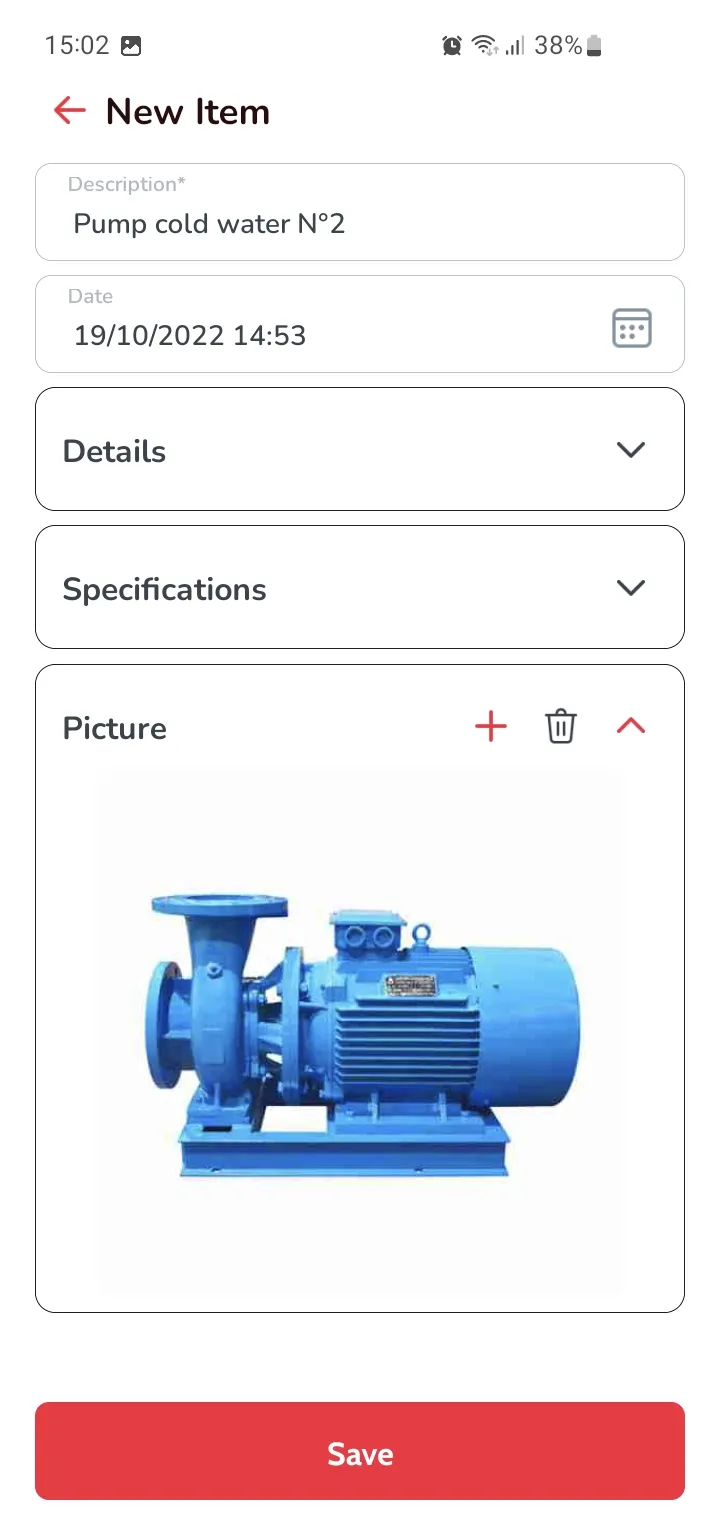
ManWinWin provides a centralized platform for managing all hospital assets, including medical equipment, IT systems, and facility infrastructure. This centralized database enables hospital staff to maintain detailed records of asset information, such as location, condition, maintenance history, and warranties.
Using advanced technologies like RFID and barcoding, ManWinWin allows hospitals to track the real-time location and status of assets. This capability reduces the time spent searching for equipment, ensures availability when needed, and minimizes downtime.
ManWinWin’s inventory management features help hospitals keep track of consumables and spare parts. Automated alerts for low stock levels ensure timely reordering, preventing delays in maintenance and ensuring that necessary parts are always available.
2. Ensuring Compliance with Maintenance Standards
ManWinWin supports the scheduling of preventive maintenance activities according to manufacturer recommendations and regulatory requirements. Automated reminders and work order generation ensure that maintenance tasks are completed on time, reducing the risk of non-compliance.
The software offers robust reporting capabilities, providing detailed documentation of all maintenance activities, inspections, and certifications. These reports are essential for demonstrating compliance with standards set by regulatory bodies during audits.
ManWinWin helps hospitals standardize maintenance procedures by creating and enforcing protocols for all tasks. This standardization ensures consistent quality and reliability of maintenance activities, which is critical for compliance and operational efficiency.
3. Reducing Costs Associated with Asset Management and Replacement
By facilitating the scheduling and execution of preventive maintenance, ManWinWin helps identify and address potential issues before they lead to equipment failure. This proactive approach reduces the frequency and cost of emergency repairs.
ManWinWin tracks the entire lifecycle of hospital assets, providing insights into optimal times for maintenance, upgrades, or replacements. This information helps extend the useful life of assets and avoid premature replacements, thereby reducing costs.
The software allows for detailed tracking of maintenance expenses, repair costs, and total cost of ownership. Hospitals can use this data to analyze and control maintenance budgets more effectively, leading to better financial planning and cost savings.
4. Optimizing Asset Utilization and Lifecycle Management
ManWinWin enables hospitals to monitor the utilization rates of their assets, providing insights into how effectively equipment is being used. This helps identify underutilized assets that can be reassigned or optimized to ensure maximum utilization.
The software offers advanced analytics to track asset performance and maintenance trends. Hospitals can use these insights to predict potential failures, plan maintenance more effectively, and make informed decisions about asset purchases and retirements.
With comprehensive data on asset performance, utilization, and costs, ManWinWin helps hospitals develop strategic plans for asset management. This includes planning for future acquisitions, replacements, and upgrades based on data-driven insights, ensuring long-term efficiency and effectiveness.
Join ManWinWin Software, the world’s most experienced company in CMMS!
Choose a better way to manage your Maintenance