BLOG – ManWinWin Software
What is MTTR? Understanding Mean Time To Repair
Discover the meaning of MTTR (Mean Time To Repair) and its significance in equipment reliability. Learn how to reduce MTTR to minimize downtime and optimize maintenance performance.
MTTR stands for Mean Time to Repair, which is a metric used to measure the average time it takes to restore a system or service after a failure or issue occurs.
It provides valuable insights into the efficiency and effectiveness of maintenance processes, helping organizations optimize their response times and minimize downtime.

Introduction
Mean Time to Repair (MTTR) is a critical metric utilized by organizations across various industries to gauge the efficiency of their maintenance and troubleshooting processes. In essence, MTTR quantifies the average duration it takes to restore a system, equipment, or service to full functionality after encountering a failure or malfunction. By tracking MTTR, businesses can evaluate the effectiveness of their response protocols, identify bottlenecks in the repair workflow, and implement targeted improvements to minimize downtime and mitigate potential losses. This metric serves as a key performance indicator (KPI) for maintenance teams, providing valuable insights into operational reliability, resource allocation, and overall system resilience.
Understanding MTTR goes beyond mere numerical analysis. A low MTTR signifies swift problem resolution, indicating robust maintenance procedures and proactive troubleshooting practices. Conversely, a high MTTR suggests inefficiencies in the repair process, potentially stemming from inadequate resources, insufficient training, or complex equipment issues. By striving to reduce MTTR, organizations can enhance their operational agility, bolster customer satisfaction, and ultimately drive greater competitiveness.
1. Definition and Calculation
MTTR (Mean Time to Repair) is a metric used to measure the average time it takes to restore a system, equipment, or service to full functionality after encountering a failure or malfunction. Unlike MTBF (Mean Time Between Failures), which focuses on the average time elapsed between consecutive failures, MTTR specifically addresses the time required to repair or restore the system after a failure has occurred. Additionally, MTTR differs from MTTD (Mean Time to Detect), which measures the average time it takes to detect the occurrence of a failure or issue within a system.
The formula used to calculate MTTR is relatively straightforward
MTTR = Total downtime / Number of failures
To calculate MTTR, you first need to sum up the total downtime experienced for all incidents within a specific period. Downtime refers to the duration during which the system, equipment, or service is non-operational due to a failure. Then, you divide this total downtime by the number of failures that occurred during the same period. The result gives you the average time it took to repair the system after each failure.
For example, if a system experienced a total downtime of 10 hours due to 5 separate failures in a month, the MTTR would be calculated as:
MTTR = 10 hours / 5 failures = 2 hours per failure
This means that, on average, it took 2 hours to repair the system after each failure during that month. MTTR provides valuable insights into the efficiency and effectiveness of maintenance processes, helping organizations identify areas for improvement and optimize their repair workflows to minimize downtime and enhance operational reliability.
ManWinWin Software is the result of 40+ years of experience and know-how
With thousands of users in 120+ countries in the World. Created by Portuguese Engineers has been improved with implementations, and listening to thousands of clients worldwide using the system, their day-to-day struggles, their needs and wants.
We have helped companies around the world to improve their maintenance

Recognized
By Gartner Group

Microsoft Partner
Application Development
Customers
Countries
Languages
Partners
2. Factors Influencing MTTR
Several factors can influence MTTR (Mean Time to Repair), impacting the efficiency and effectiveness of maintenance processes. Let’s explore some of these factors:
Complexity of System or Equipment
The complexity of the system or equipment being repaired can significantly affect MTTR. More intricate systems may require specialized knowledge and skills for diagnosis and repair, leading to longer repair times. For example, repairing a sophisticated piece of machinery in a manufacturing plant may take longer than fixing a simpler device due to the intricacies involved.
Availability of Skilled Personnel and Resources
The availability of skilled personnel and resources, such as technicians with the necessary expertise and tools, plays a crucial role in determining MTTR. A shortage of skilled workers or insufficient resources can lead to delays in repair activities. Conversely, having a well-trained and adequately staffed maintenance team equipped with the right tools can expedite the repair process.
Effectiveness of Maintenance Processes and Procedures
The effectiveness of maintenance processes and procedures can directly impact MTTR. Organizations with well-defined and optimized maintenance workflows are better equipped to respond quickly to failures and minimize downtime. Implementing preventive maintenance strategies, establishing clear protocols for incident response, and regularly reviewing and improving maintenance procedures can help reduce MTTR.
Level of Automation and Monitoring Systems
Automation and monitoring systems can streamline maintenance processes and facilitate early detection of issues, thus reducing MTTR. Automated alerts and predictive maintenance technologies can notify maintenance teams of potential failures before they occur, allowing for proactive intervention and faster resolution. For example, in an IT infrastructure, automated monitoring tools can detect performance anomalies or hardware failures.
3. Strategies for Reducing MTTR
Reducing MTTR (Mean Time to Repair) is essential for minimizing downtime, increasing operational efficiency, and ensuring optimal performance of systems and equipment. Here are some effective strategies and best practices for achieving this goal:
Implement Preventive Maintenance Programs: Proactively addressing potential issues before they escalate is key to reducing MTTR. Implementing preventive maintenance programs involves scheduling regular inspections, servicing, and repairs to identify and address potential problems before they result in failures. By conducting routine maintenance activities, organizations can prevent unexpected breakdowns and minimize downtime.
Optimize Workflows and Response Protocols: Streamlining repair workflows and response protocols can significantly reduce MTTR. Establish clear and efficient procedures for reporting, prioritizing, and responding to incidents. Define roles and responsibilities within the maintenance team to ensure swift and coordinated action during repair activities. Additionally, leverage technology such as ticketing systems or workflow management tools to automate and track repair processes, improving accountability and visibility.
Invest in Training and Skill Development: Providing ongoing training and skill development opportunities for maintenance teams is essential for reducing MTTR. Equip technicians with the knowledge and expertise needed to diagnose and resolve issues quickly and effectively. Offer training programs on new technologies, equipment, and troubleshooting techniques to keep maintenance personnel up-to-date with industry best practices.
Leverage Technology: Technology plays a crucial role in reducing MTTR by enabling proactive maintenance and facilitating faster problem resolution. Invest in predictive maintenance tools, condition monitoring systems, and remote monitoring technologies to detect potential issues early and preemptively address them before they escalate into failures. Remote access capabilities allow technicians to diagnose and troubleshoot problems remotely, minimizing the need for onsite visits and speeding up repair times.
Foster a Culture of Continuous Improvement: Encourage a culture of continuous improvement and knowledge sharing within the organization to continually optimize repair processes and reduce MTTR. Encourage feedback from maintenance personnel and stakeholders to identify areas for improvement. Implement regular performance reviews and post-incident reviews to analyze root causes of failures and identify opportunities for enhancement. Promote collaboration and knowledge sharing among team members to leverage collective expertise and experience.
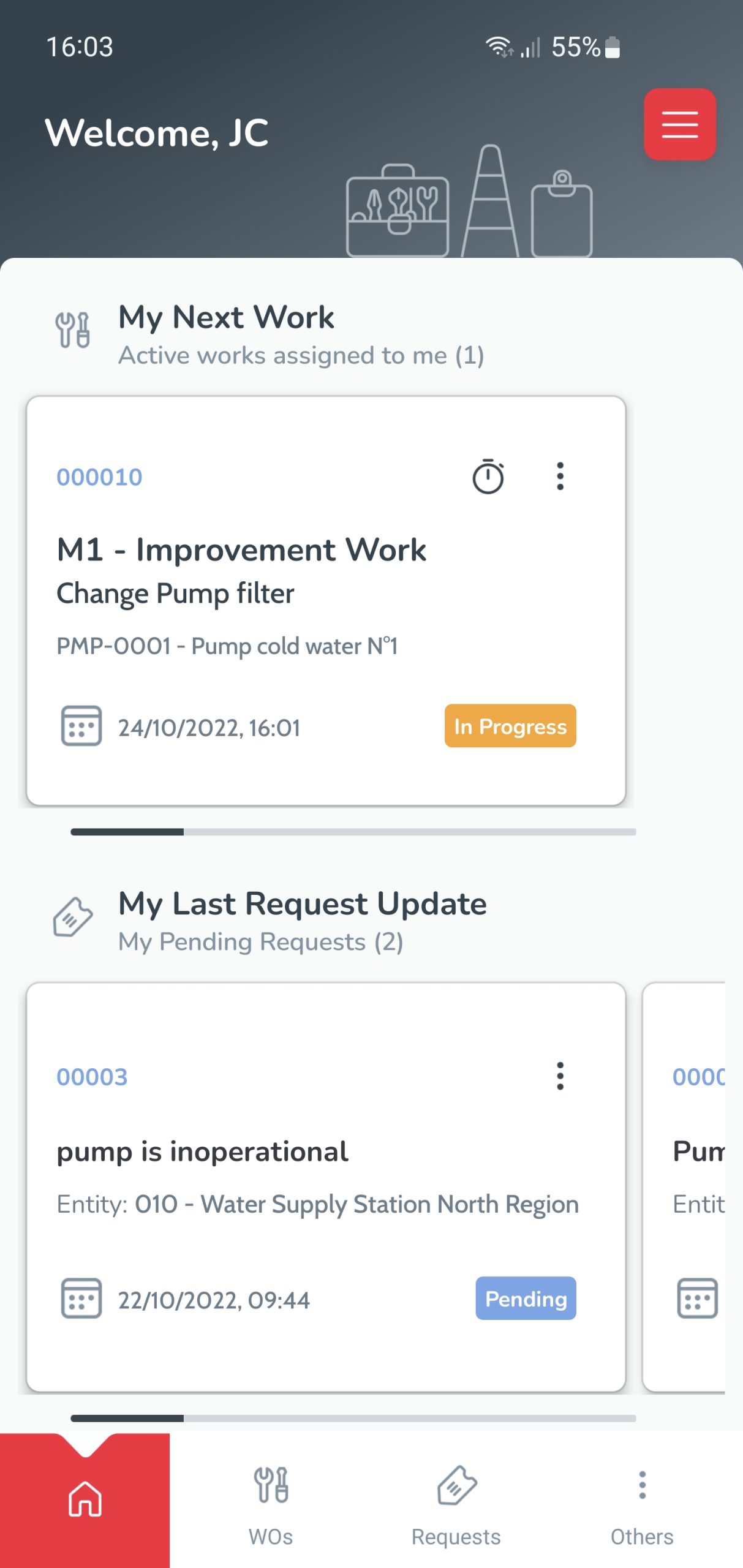
Join ManWinWin Software, the world’s most experienced company in CMMS!
Choose a better way to manage your Maintenance
Watch or book a Demo
Watch a recorded demo or get to know ManWinWin guided by one of our experts.
Use ManWinWin free version
Free forever industrial maintenance management software up to 100 Assets. Start today!
4. MTTR in Different Industries
Mean Time to Repair is a critical metric applied across diverse industries, each with its unique challenges and requirements in maintenance and repair. Let’s explore how MTTR is interpreted and utilized in different sectors:
Manufacturing
In manufacturing, minimizing downtime is crucial for maintaining productivity and meeting production targets. MTTR is used to measure the efficiency of maintenance processes in resolving equipment failures and minimizing production disruptions. For example, in an automotive assembly plant, a high MTTR for a robotic welding machine can lead to production delays and increased costs. Implementing predictive maintenance techniques and optimizing repair workflows are common strategies to reduce MTTR in manufacturing.
IT and Software Development
In the IT and software development industry, minimizing downtime and resolving technical issues promptly are paramount. MTTR is used to assess the effectiveness of IT support teams in restoring services and resolving incidents. For instance, in a cloud computing company, a low MTTR for resolving server failures ensures high availability of services for customers. Implementing incident management processes, leveraging automation for problem detection, and providing continuous training for IT staff are essential for reducing MTTR in IT environments.
Healthcare
In healthcare facilities, timely resolution of equipment failures and maintenance issues is critical for patient care and safety. MTTR is used to evaluate the efficiency of biomedical engineering teams in repairing medical devices and equipment. For example, in a hospital, a high MTTR for a malfunctioning MRI machine can impact patient scheduling and treatment delivery. Implementing preventive maintenance programs, ensuring availability of spare parts, and providing regular training for biomedical technicians are key strategies for reducing MTTR in healthcare settings.
Transportation
In the transportation industry, minimizing downtime of vehicles and infrastructure is essential for maintaining schedules and ensuring passenger or cargo transportation efficiency. MTTR is used to measure the effectiveness of maintenance teams in repairing vehicles, aircraft, or railway systems. For instance, in an airline company, a low MTTR for resolving aircraft maintenance issues ensures on-time departures and customer satisfaction. Implementing predictive maintenance technologies, optimizing supply chain management for spare parts, and providing specialized training for maintenance technicians are critical for reducing MTTR in transportation.
Utilities
In the utilities sector, such as electricity, water, and telecommunications, minimizing service disruptions and restoring services quickly are priorities. MTTR is used to assess the effectiveness of maintenance crews in repairing infrastructure and restoring services after outages. For example, in a power distribution company, a low MTTR for repairing electrical faults ensures minimal downtime for customers. Implementing proactive maintenance practices, investing in outage management systems, and optimizing response protocols are key strategies for reducing MTTR in utilities.
While the interpretation and application of MTTR may vary across industries, the common goal remains to minimize downtime, enhance operational efficiency, and ensure reliable service delivery through effective maintenance and repair management. Case studies and industry-specific examples offer valuable insights into the practical applications of MTTR and the strategies employed to reduce repair times in various sectors.
Discover ManWinWin services in maintenance management consulting

Implementation
The implementation consultancy is the component that turns a good software into a good solution.
Training
Training is the component that consolidates and sustains the solution on the client.
Audit & Diagnosis
Evaluation and systematization of the client’s case. Before and after implementation.

Want to know how the world’s most experienced CMMS maintenance management software can help you?
ManWinWin software includes a KPI indicators calculator for MTTR
ManWinWin software offers a sophisticated KPI indicators calculator designed to help organizations accurately calculate MTTR (Mean Time to Repair) based on maintenance automatic parameters. By utilizing this advanced feature, users can effectively measure and analyze MTTR to evaluate maintenance efficiency and optimize repair processes. Here’s how ManWinWin software contributes to improving MTTR:
Efficient Incident Reporting
The software streamlines incident reporting processes, allowing maintenance teams to quickly log and prioritize repair requests. This facilitates faster response times and reduces the time it takes to initiate repair activities, ultimately leading to a shorter MTTR.
Optimized Workflows
ManWinWin software optimizes repair workflows by helping with task assignments, scheduling, and tracking. By ensuring that repair tasks are efficiently allocated and managed, the software helps reduce idle time and accelerates the overall repair process, contributing to a lower MTTR.
Data-Driven Decision-Making
With comprehensive data analytics and reporting capabilities, ManWinWin software enables maintenance managers to identify trends, root causes of failures, and areas for improvement. By leveraging data-driven insights, organizations can implement targeted interventions to address underlying issues and minimize repair times, ultimately improving MTTR.
Resource Management
The software facilitates effective resource management by providing visibility into available manpower, spare parts inventory, and equipment status. Maintenance teams can better coordinate resources and prioritize tasks based on urgency, leading to more efficient repairs and shorter downtime periods, thus improving MTTR.
Continuous Improvement
ManWinWin software supports a culture of continuous improvement by enabling users to track key performance indicators, identify bottlenecks, and implement corrective actions. Through ongoing refinement of maintenance processes and procedures, organizations can steadily reduce MTTR over time, enhancing overall operational efficiency and reliability.
ManWinWin software empowers organizations to streamline maintenance operations, optimize repair workflows, and make data-driven decisions, all of which contribute to improving MTTR and minimizing downtime.
Join ManWinWin Software, the world’s most experienced company in CMMS!
Choose a better way to manage your Maintenance