
Surviving the workforce cliff with digital SOPs for maintenance knowledge transfer
Just a 23-minute read
The maintenance workforce is aging rapidly. Digital SOPs and knowledge retention systems turn individual expertise into organizational memory, keeping operations reliable and efficient.
Prepare your maintenance operations for the 40% retirement wave by 2030. Learn how codifying tribal knowledge and implementing knowledge retention systems ensures continuity, preserves expertise, and strengthens maintenance workflows.

Introduction
Maintenance teams face a growing crisis: by 2030, nearly 40% of experienced technicians are expected to retire. These professionals hold critical tacit knowledge — insights gained from years on the floor that often aren’t documented. Losing this expertise threatens equipment reliability and increases unplanned downtime.
Structured maintenance knowledge transfer and software solutions help preserve this expertise. By capturing the know-how of senior technicians and embedding it into digital systems, organizations transform individual skills into accessible guidance for the entire team.
1. Codifying tribal maintenance knowledge
Maintenance operations depend heavily on the experience and intuition of veteran technicians. As the workforce ages, preserving this expertise is crucial. This chapter explains how to identify, capture, and codify tacit maintenance knowledge to safeguard operational continuity and reduce unplanned downtime.
Identifying critical knowledge areas
Focus on high-impact assets, recurring failure modes, and specialized tasks. Veterans often know subtle equipment quirks — like the exact warm-up sequence for a hydraulic press — that prevent downtime. Documenting these insights ensures consistency and reduces trial-and-error interventions.
Mapping knowledge flows
Understand who holds which expertise and how frequently it is applied. Distinguish between procedural knowledge (schedules, torque specs) and diagnostic knowledge (vibration patterns, bearing wear). Mapping this helps prioritize what to codify first.
Choosing the right format
Use checklists, flowcharts, annotated diagrams, or decision trees to capture knowledge in a way that technicians can quickly reference during maintenance tasks. The format should support both routine procedures and troubleshooting.
Preserving and updating expertise
Implement a living system — digital SOPs, maintenance software, or CMMS repositories — to store knowledge. Encourage updates from field teams as equipment or procedures evolve, ensuring that insights remain accurate and accessible even as senior technicians retire.
ManWinWin Software is the result of 40+ years of experience and know-how

With thousands of users in 120+ countries in the World. Created by Portuguese Engineers has been improved with implementations, and listening to thousands of clients worldwide using the system.
Get a personalized demo of ManWinWin CMMS
Please fill out the form and wait for one of our specialists to contact you to schedule a date at your convenience.
- Discover how ManWinWin solves your specific challenges.
- See ManWinWin’s core features, tailored to your needs.
- Gain best practices from the world’s most experienced CMMS company, specific for your success.
- Discover your ideal ManWinWin license, investment, and timing of implementation.
2. Implementing digital SOPs in maintenance
Digital SOPs are more than digitized manuals. They are structured tools that embed frontline expertise into maintenance workflows, ensuring consistency, reducing errors, and preserving critical knowledge. This chapter explores how to design, capture, and integrate digital SOPs to make maintenance teams more effective.
1. Designing SOP templates
Standardized templates ensure that all procedures are captured consistently. Include step-by-step instructions, safety precautions, troubleshooting tips, and critical alerts. Templates reduce ambiguity, speed up onboarding, and make knowledge easier to update and reference.
2. Capturing tacit maintenance knowledge
Tacit knowledge — the know-how that exists only in technicians’ heads — is the hardest to preserve. Conduct structured interviews, record video walkthroughs, and document decision-making heuristics. This ensures that subtle insights, like unusual vibration patterns or timing adjustments, are captured for future use.
3. Integrating SOPs with maintenance software
Link SOPs directly to assets and work orders within your CMMS or maintenance software. This provides real-time guidance to technicians during maintenance tasks, minimizes errors, and reduces downtime by making expertise instantly accessible.
4. Updating and improving SOPs continuously
Treat SOPs as living documents. Encourage feedback from field technicians and supervisors to refine procedures. Regular updates keep knowledge aligned with equipment changes, process improvements, and operational realities, ensuring long-term effectiveness.

3. Knowledge retention systems for maintenance
Preserving maintenance expertise goes beyond documenting procedures. Knowledge retention systems combine technology, process, and culture to ensure that critical know-how remains accessible, even as experienced staff retire. This chapter explains how to structure, implement, and maintain these systems within your maintenance operations.
- Knowledge retention systems start with identifying key skill sets and expertise areas at risk. Not all knowledge has the same operational impact — focus on skills tied to critical assets, recurring failures, and specialized troubleshooting. Use structured assessments to evaluate which knowledge is most vulnerable to loss and prioritize its capture.
- These systems often include multiple components: centralized knowledge repositories, mentoring programs, expertise databases, and structured handover workflows. Linking these elements with maintenance software ensures that procedural knowledge, historical maintenance data, and troubleshooting insights are all accessible when and where they are needed.
- Integration with CMMS or other maintenance software is crucial. By associating knowledge assets with specific machines, equipment components, or work orders, technicians can retrieve relevant guidance at the point of use. Dashboards and analytics can track knowledge gaps, measure retention effectiveness, and highlight areas where additional training or documentation is needed.
- Finally, organizational culture plays a central role. Encourage technicians to contribute updates, share insights, and participate in mentoring programs. Knowledge retention is not a one-time project — it’s an ongoing process that combines structured systems with active participation from the workforce to protect operational continuity and reduce risk from the workforce cliff.
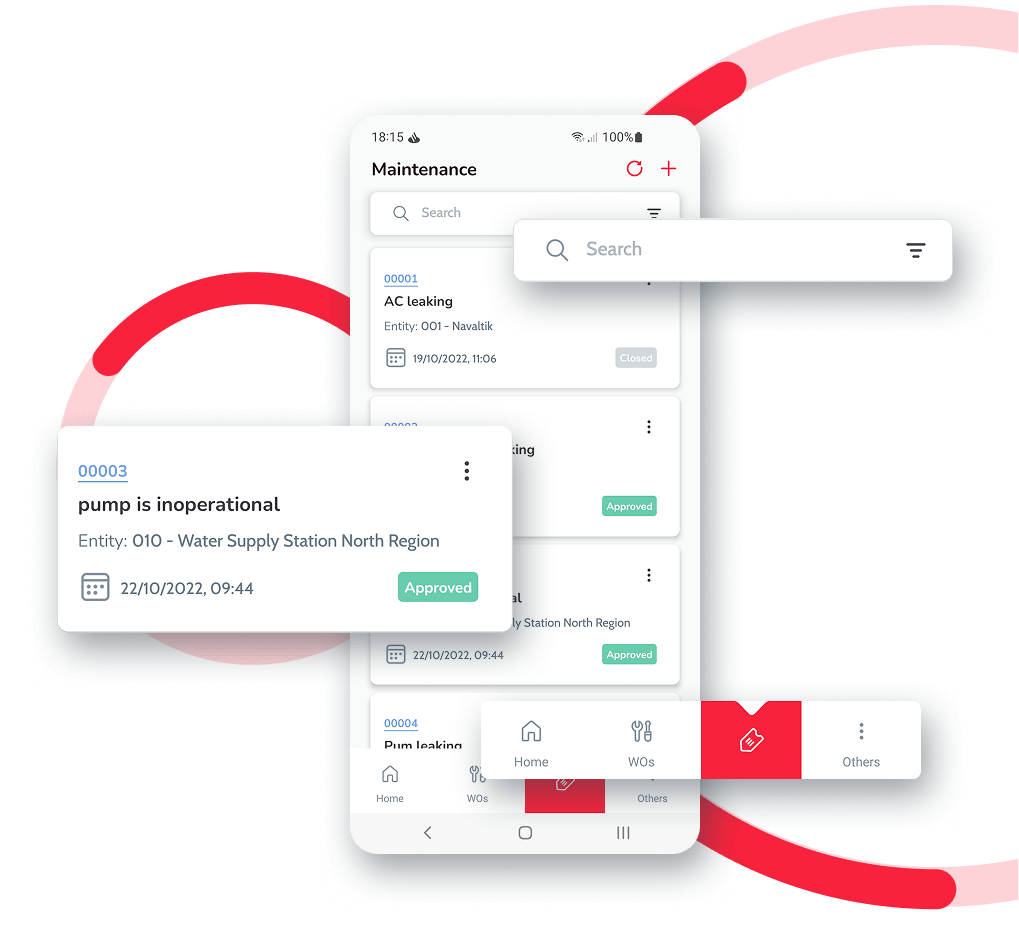
Join ManWinWin Software, the world’s most experienced company in CMMS!
Choose a better way to manage your Maintenance
Watch or book a Demo
Watch a recorded demo or get to know ManWinWin guided by one of our experts.
Use ManWinWin free version
Free forever industrial maintenance management software up to 100 Assets. Start today!
4. FAQ: maintenance knowledge transfer
Maintenance knowledge transfer raises practical questions for managers trying to safeguard expertise. This FAQ addresses the most common challenges and clarifies how digital SOPs, knowledge retention systems, and structured processes work together to preserve critical maintenance skills.
dummy
1. What is the workforce cliff in maintenance?
The workforce cliff refers to the projected retirement of up to 40% of experienced maintenance technicians by 2030. Losing this expertise threatens operational continuity, increases unplanned downtime, and makes troubleshooting complex equipment more difficult.
2. How do digital SOPs help retain maintenance knowledge?
Digital SOPs convert tacit knowledge into structured, accessible procedures. They capture step-by-step tasks, safety protocols, and troubleshooting heuristics, making veteran experience available to all technicians.
3. Who should contribute to maintenance knowledge transfer?
Senior technicians, maintenance engineers, and supervisors act as knowledge contributors. Management facilitates the process by providing tools, templates, and workflows that make knowledge capture efficient and consistent.
4. How does maintenance software support knowledge retention systems?
Maintenance software centralizes SOPs, historical maintenance data, and expertise databases. Linking knowledge to assets and work orders allows technicians to access context-specific guidance during operations, improving accuracy and reducing errors.
5. What metrics measure successful knowledge transfer?
Key indicators include reduced unplanned downtime, faster onboarding of new staff, fewer repeat failures, coverage of critical skill sets, and user engagement with digital SOPs or knowledge repositories.
6. How often should maintenance knowledge be updated?
Knowledge should be reviewed and updated continuously. Field feedback ensures SOPs, troubleshooting guides, and retention databases reflect equipment changes, evolving procedures, and real-world operational experience
Discover ManWinWin services in maintenance management consulting

Implementation
The implementation consultancy is the component that turns a good software into a good solution.
Training
Training is the component that consolidates and sustains the solution on the client.
Conclusion: ensuring operational continuity through knowledge transfer
The maintenance workforce is facing a significant retirement wave, and organizations cannot rely solely on individual expertise. Codifying tribal knowledge, implementing digital SOPs, and establishing robust knowledge retention systems are essential steps to preserve critical skills, reduce unplanned downtime, and maintain operational reliability.
By systematically capturing experience and linking it to assets, maintenance teams can operate efficiently even as senior technicians retire. Structured processes, combined with maintenance software that integrates SOPs, historical data, and expertise databases, transform tacit knowledge into actionable guidance for the entire team.
Platforms like ManWinWin provide a scalable framework to support this approach.
By centralizing knowledge, connecting it to work orders and assets, and enabling continuous updates, organizations safeguard operational continuity, empower technicians as knowledge contributors, and protect long-term asset performance.
Ready to take your maintenance to the next level?
Trusted in over 120 countries – join the global maintenance movement with ManWinWin Software

Join ManWinWin Software, the world’s most experienced company in CMMS!
Choose a better way to manage your Maintenance








About the Author
José Fernandes is the Managing Partner at ManWinWin Software (Navaltik Management), leading company in maintenance management consultancy and CMMS (Computerized Maintenance Management System) solutions.
With a technical background in industrial organization, José Fernandes has been with Navaltik since the 1990s, progressing from consultant to strategic leader and a key figure in the development of the ManWinWin software.
Throughout his career, he has overseen hundreds of maintenance system implementations across more than 30 countries, including regions in Africa, Australia, the Middle East, and East Asia.

