Technical Documentation
TRANSFORMING MAINTENANCE INTO A STRATEGY FOR SUSTEINABILITY
Discover how transforming maintenance into a strategic approach can drive sustainability for your business.
Industrial activity is one of the main drivers of energy and material consumption in a world with finite resources.
There are increasing studies and research in this area, analyzing and seeking to develop new types of operational strategies, particularly in the area of maintenance, that continue to ensure the reliability, availability, and safety of industrial assets.

Introduction
Industrial activity is one of the main drivers of energy and material consumption in a world with finite resources. Consequently, there are increasing studies and research in this area, analyzing and seeking to develop new types of operational strategies, particularly in the area of maintenance, that continue to ensure the reliabiity, availability, and safety of industrial assets while reconciling these factors with environmental, social, and economic impact through continuous improvement of production processes and keeping up with the latest technological developments.
This article proposes to address the development of this new approach to maintenance, analyzing its impact on various areas, different implementation procedures, and the challenges it will face to ensure good performance in this activity and its ability to respond to the ongoing demands of contemporary society.
1. What is Sustainable Maintenance
Currently, the industry plays a fundamental role in the functioning of society as we know it. It produces essential goods and services for our daily lives, such as food, clothing, transportation, housing, and even entertainment. Additionally, it contributes to the surrounding communities by creating jobs and serving as an accelerator of technological advancements.
The world and our lives would be unrecognizable without this sector, we only need to look at the evolution and significant change that occurred after the first industrial revolution. This event completely transformed the structure and organization by which countries themselves were ruled, contributing to the globalization of markets and the production of never-before-seen products, allowing for the exchange of goods and services between various parts of the globe, ensuring access to essential products for populations that never had that possibility.
Despite its significant influence, it is also imperative to address that even with all these benefits, its activity involves negative and even harmful points for society, namely the large consumption of energy, raw materials, and the emission of polluting gases, thus having a significant impact on the environment and people’s lives.
Today, we live in a period with an increasing growth in environmental awareness and the global challenges that come with it (such as climate change and biodiversity loss), making it necessary to find solutions to minimize the impact of industrial operations.
This is a common dilemma across all industrial sectors, and it is the main reason many companies define a logical structure in which they set the objectives to be achieved and the procedures to be implemented to reach that goal. Thus, one of the areas with particular relevance in this context, due to its transversality and scope, is maintenance.
Since maintenance is a common and unavoidable factor in companies, regardless of their area of operation, it is mandatory to perform interventions, either corrective or preventive, to ensure the functioning of their assets. This area of activity can be one of the levers that allows entities to adopt measures and practices that preventively ensure the mitigation of identified negative effects.
ManWinWin Software is the result of 40+ years of experience and know-how
We have helped companies around the world to improve their maintenance

Recognized

Microsoft Partner
Customers
Countries
Languages
Partners
2. Importance of Sustainable Maintenance
As already mentioned, to reduce the impact, it is necessary to integrate increasingly sustainable maintenance into the management of current procedures.
Maintenance began as an activity focused on reactive actions, only resolving the failure after it had already happened, later evolving into a preventive approach, which became the main objective of management. The next step will be to transition to sustainable maintenance, whose implementation will be reflected in various aspects of the organization, with an emphasis on the following points:
Environmental Impact
Maintenance interventions can have a significant impact on the environment, such as waste production and resource utilization. By increasing efficiency in these processes, it is possible, for example, to reduce excessive water consumption and the use of chemicals harmful to human health.
Cost Reduction
Implementing processes that enhance sustainable maintenance will increase energy-consumption efficiency and extend equipment lifespan. By adopting practices such as regular equipment checks, predictive maintenance, and the use of energy-efficient technologies, companies can significantly lower their operational costs.
Compliance with Maintenance Standards
Nowadays, there are regulations and standards related to environmental protection and sustainability. Adhering to these new rules also provide a well-defined structure that identifies the various aspects where the company must act. Notably, in this field are the ISO 14001 – Environmental Standard and the CSRD – Corporate Sustainability Reporting Directive.
Social Impact
Organizations that aim to introduce procedures that enable sustainable maintenance are often viewed more positively by customers and investors, improving their reputation.
In summary, the primary objective of sustainable maintenance is to reduce environmental impact and eliminate waste as much as possible. By combining maintenance and efficiency, it is possible to increase the company’s performance not only in environmental terms but also to bring social and economic benefits.
In addition to implementing this type of maintenance leading to significant improvements in various sectors of organizations, as described above, it also ensures compliance with regulations stipulated by law, ensuring adherence to the latest maintenance standards aimed at mitigating the negative effects resulting from this activity.
3. Regulations and Maintenance Standards
Standardization defines a set of common usage provisions that allow real or potential problems to be addressed with the aim of achieving an optimal degree of order in a given context.
Standards are not only created to control companies and ensure they comply with the law, but also to offer a framework by which entities can guide themselves to establish procedures and internal goals. The standards ISO 14001 and CSRD stand out due to their importance and relevance at an international level, being widely recognized and applied by different organizations.
The ISO 14001 standard establishes and defines the structure from which it is possible to build and implement an environmental control system. By adhering to this standard, companies ensure they are taking proactive measures to minimize their environmental impact, complying with legal requirements, and achieving their objectives in this area.
This structure should encompass various aspects, such as resource consumption and waste management, to monitor environmental performance.
From a different perspective, the European Union recently created rules and mechanisms that require large and medium-sized companies to share information about what they consider to be risks and opportunities arising from social and environmental issues, and about the impact of their activities on people and the environment.
This initiative, called CSRD (Corporate Sustainability Reporting Directive), is part of the European Green Deal, and its main objective is to help investors, civil society organizations, and consumers assess the performance of companies in terms of sustainability.
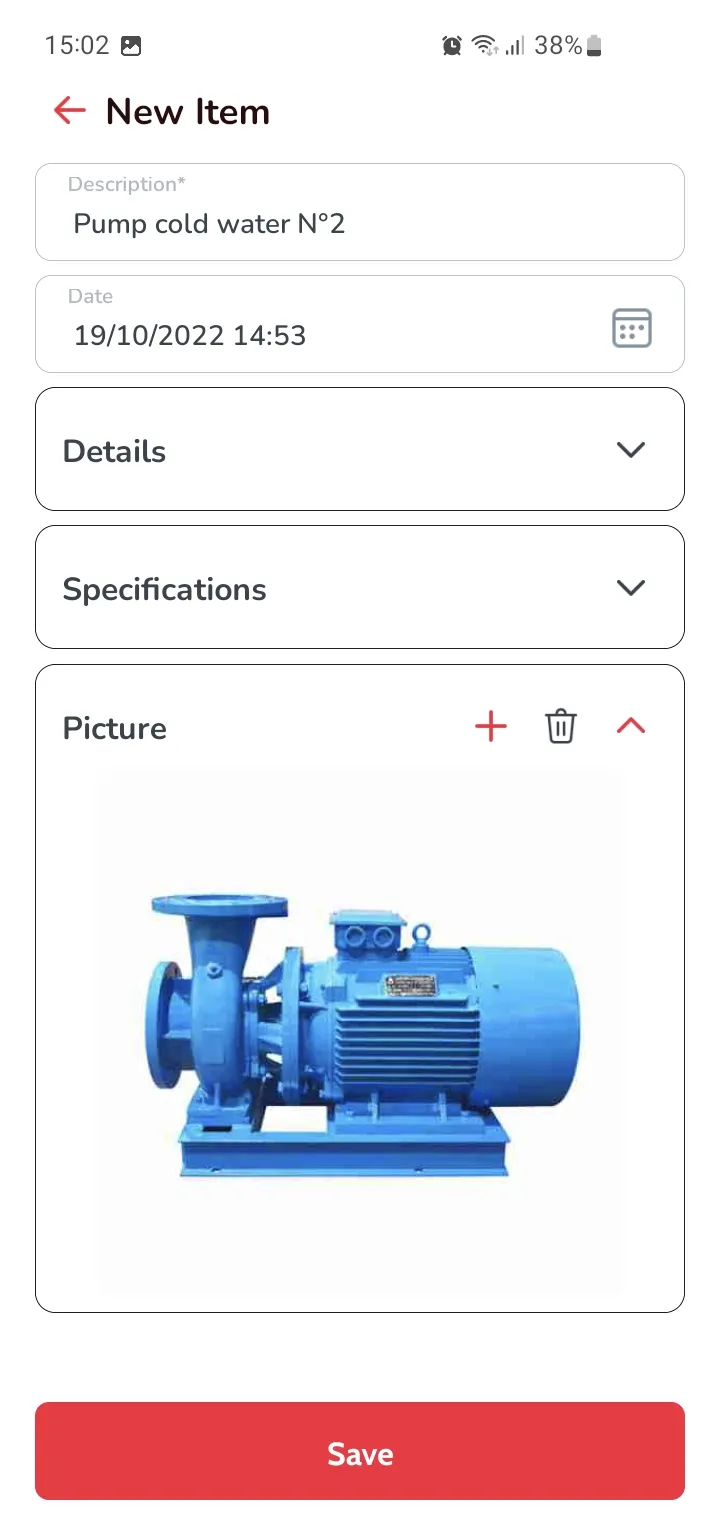
Join ManWinWin Software, the world’s most experienced company in CMMS!
Choose a better way to manage your Maintenance
Watch or book a Demo
Watch a recorded demo or get to know ManWinWin guided by one of our experts.
Use ManWinWin free version
Free forever industrial maintenance management software up to 100 Assets. Start today!
4. How to Implement Sustainable Maintenance
Similar to any transition process, whether related to a digital component or just a change in procedures, the main driver of its implementation is always people; in this case, the responsibility primarily falls on the maintenance team. To initiate this transformation, the first step is to explain to the technicians the reasons and objectives to be achieved with this change, as their participation is absolutely crucial to the success of a project of this nature. The greater the number of people involved, the easier and simpler it will be to analyze current maintenance management and start making improvements in critical aspects, focusing initially on key points due to their relevance. Here, the following stand out:
Analysis of the Frequency of Maintenance Tasks:
Maintenance tasks are essential to ensure the proper functioning of equipment or systems and extend their useful life, but it is not always easy to conceive an effective plan that meets all technical requirements and is feasible at the same time. One of the first aspects to consider is the importance of maintaining a particular asset, this point being directly proportional to its criticality. For these cases, it is good practice to try to minimize the frequency of these tasks as much as possible without experiencing negative effects on performance. Thus, the requirement of the maintenance plan is reconciled with the implementation of more efficient methods that reduce environmental impact, also contributing to the feasibility of the maintenance plan.
Analysis of the Environmental Impact of Maintenance Activities:
Maintenance involves energy consumption and, depending on the task, the use of polluting products and harmful waste to the environment. One way to counteract these adverse effects is to use renewable energy sources when possible and to reuse or recycle waste from these activities.
Sustainable Management of Materials Used in Maintenance:
A preventive maintenance model should define, from its conception, the harmonization of its optimal performance level and the use of materials that limit its environmental and social impact. There are analysis models [4], that allow choosing between new and used spare parts the most sustainable option from an economic, social, and environmental perspective. By combining these factors with the reliability of the material in question (a new spare part has a higher cost and environmental impact but also presents greater reliability, unlike a used spare part), it is possible to choose the ideal solution for each situation.
One of the best methods to implement sustainable maintenance is to analyze information and evaluate the performance of equipment affected by maintenance management. This can be enhanced by a digital transformation process through the implementation of a CMMS (Computerized Maintenance Management System). The dynamization of such a tool allows the organization to gain numerous advantages, such as quick access to centralized information, whether of the assets’ characteristics or their maintenance history, increase the quality of analysis through indicators that facilitate decision-making based on reliable information, and can be a decisive tool for audits and compliance with legal requirements.
Discover ManWinWin services in maintenance management consulting

Implementation
The implementation consultancy is the component that turns a good software into a good solution.
Training
Training is the component that consolidates and sustains the solution on the client.
Audit & Diagnosis
Evaluation and systematization of the client’s case. Before and after implementation.
Want to know how the world’s most experienced CMMS maintenance management software can help you?
The Future and Sustainable Maintenance
Following the global trend of increasing sensitivity and awareness of the importance of sustainability in all sectors and areas worldwide, whether social, environmental, or economic sustainability, companies will also have an increased responsibility to deal with this topic.
This need for a change in attitude and the implementation of new processes, in addition to the environmental impact, will also contribute to increased efficiency and cost reduction, making the advantages of this transition even clearer and more visible. With the continuous evolution of maintenance requirements and standards, with rules concerning environmental issues that penalize all those who do not comply, companies will also increasingly align to achieve these objectives.
All these measures and procedures can be enhanced with the development of new technologies, which will be fundamental to analyze increasingly reliable and closer-to-reality information, as the treatment of this data is an essential point on which many development strategies for sustainable maintenance are based. Thus, accompanying this process with a planned and correct strategy allows us to meet an environmentally conscious culture and simultaneously look at maintenance as a competitive differentiation factor.
References
[1] Jorgenson, A. K. (2009). Foreign Direct In-vestment and the Environment, the Mitigating Influence of Institutional and Civil Society Fac-tors, and Relationships Between Industrial Pollu-tion and Human Health: A Panel Study of Less-Developed Countries. Organization & Envi-ronment, 22(2), 135-157.
[2] Cabral, José Paulo Saraiva (2021). Gestão da manutenção de equipamentos, instalações e edifícios (4º edição).
[3] Stefano, S., 2022. Corporate sustainability reporting directive, EPRS: European Parliamen-tary Research Service. Belgium.
[4] Franciosi, C., Lambiase, A., & Miranda, S. (2017). Sustainable maintenance: a periodic preventive maintenance model with sustainable spare parts management. IFAC-PapersOnLine, 50(1), 13692-13697.
Join ManWinWin Software, the world’s most experienced company in CMMS!
Choose a better way to manage your Maintenance