ManWinWin BLOG
10 Most Important Maintenance Work Order Software Features
Explore the top 10 features that make maintenance work order software essential for streamlining workflows, improving efficiency, and reducing downtime. Learn how these features can enhance your maintenance management.
Choosing the right maintenance work order software can greatly impact the efficiency and effectiveness of your operations.
In this article, we highlight the 10 most important features that every maintenance management software should offer to optimize workflows and improve productivity.

Table of contents
1. 10 Key Features to Look for in Maintenance Work Order Software
2. How Work Order Software Improves Efficiency and Productivity
3. The Impact of Real-Time Reporting and Data Analytics on Work Order Management
4. Choosing the Best Work Order Software for Your Specific Maintenance Needs
How ManWinWin Aligns with Top Work Order Maintenance Management Features
In any organization, maintaining assets and ensuring that equipment runs efficiently is crucial to minimizing downtime and maximizing productivity. The right work order software helps streamline this process, making it easier to manage maintenance tasks from start to finish. These systems offer a centralized platform to create, track, and complete work orders, ensuring that maintenance teams are organized and tasks are completed on time.
When selecting work order software, it’s important to consider features that enhance both operational efficiency and user experience. In this article, we’ll break down the top 10 features that you should look for in maintenance work order software. These features cover everything from real-time updates and task prioritization to asset tracking and reporting capabilities, all aimed at improving the overall maintenance management process.
1. 10 Key Features to Look for in Maintenance Work Order Software
- Work Order Management: The ability to create, assign, and track work orders is essential. This includes tracking the status, priority, and completion of each task.
- Asset Management: Allows for tracking the condition, history, and maintenance needs of each asset, helping to extend lifespan and optimize efficiency.
- Preventive Maintenance Scheduling: Automates the scheduling of regular maintenance tasks based on time intervals, usage, or condition-based triggers, preventing breakdowns and costly repairs.
- Inventory Management: Helps track spare parts, tools, and materials, ensuring that necessary items are always in stock for maintenance tasks.
- Reporting and Analytics: Provides insights into maintenance performance, downtime, costs, and work order trends, helping to optimize resources and improve decision-making.
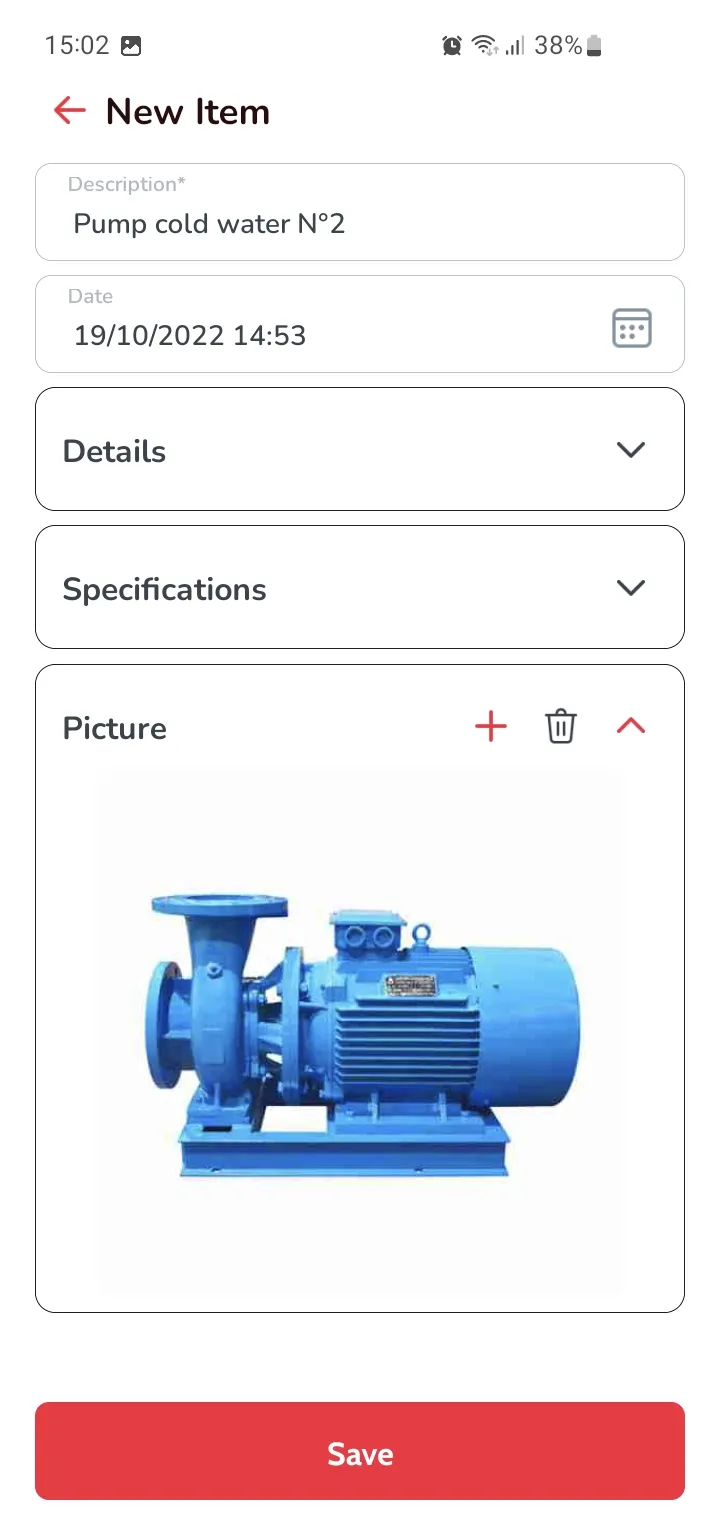
- Mobile Access: Enables technicians to access, update, and close work orders on-site via mobile devices, improving efficiency and communication.
- Integration with Other Systems: Seamlessly integrates with other software like ERP, accounting, and inventory systems to streamline operations and improve data accuracy.
- User Permissions and Roles: Ensures that different users (e.g., managers, technicians) have appropriate access levels and permissions to perform their tasks effectively.
- Compliance Tracking: Ensures maintenance activities comply with industry regulations and standards, helping to avoid legal issues and penalties.
- Cost Tracking: Monitors the cost of labor, parts, and other resources associated with each work order, helping to manage budgets and identify cost-saving opportunities.
ManWinWin Software is the result of 40+ years of experience and know-how
We have helped companies around the world to improve their maintenance

Recognized

Microsoft Partner
Customers
Countries
Languages
Partners
2. How Work Order Software Improves Efficiency and Productivity
Work order software plays a key role in enhancing operational efficiency and productivity by optimizing workflows, reducing downtime, and ensuring better resource allocation. In today’s demanding business environments, organizations must rely on advanced software solutions to streamline work order processes and maintain smooth operations. Here’s how the right work order software can transform maintenance and operational efficiency.
Reducing Downtime
One of the most impactful benefits of work order software is its ability to significantly reduce downtime. By automating preventive maintenance schedules, the software ensures that assets are regularly serviced and maintained, minimizing the risk of unexpected breakdowns. The software also supports predictive maintenance by identifying patterns and potential issues before they escalate. When issues do arise, real-time work order tracking allows maintenance teams to respond quickly, reducing downtime and speeding up repairs. With this level of control and foresight, organizations can avoid costly disruptions and keep operations running smoothly.
Optimizing Workflows
Work order software optimizes workflows by automating key processes and ensuring that tasks are completed efficiently and in the right order. Automated work orders, scheduling, and alerts help prioritize tasks, so maintenance teams can focus on the most urgent and critical issues. By providing detailed work order histories, technician instructions, and troubleshooting guides, the software eliminates the need for manual searches or clarifications. This improves the accuracy of repairs and speeds up job completion. Additionally, the software provides a clear overview of all tasks and progress, enabling maintenance managers to ensure that everything is on track without the need for constant oversight.
Ensuring Better Resource Allocation
Effective resource allocation is essential for maximizing productivity, and work order software plays a critical role in this. With comprehensive insights into available assets, materials, and personnel, the software enables managers to allocate the right resources to the right tasks. Technicians can be assigned based on their skills and availability, ensuring that labor is used effectively and efficiently. The software also tracks parts and materials in real time, preventing delays caused by shortages or incorrect stock. By prioritizing high-value assets and critical tasks, the software ensures that resources are used where they will have the most impact, driving greater productivity and ROI.
Through the automation of workflows, real-time visibility into operations, and the ability to better allocate resources, work order software dramatically enhances efficiency and productivity. By reducing manual intervention and streamlining processes, organizations can ensure that maintenance activities are executed more efficiently, minimizing downtime and maximizing operational output.
3. The Impact of Real-Time Reporting and Data Analytics on Work Order Management
Real-time reporting and data analytics play a crucial role in transforming work order management by enabling more informed decision-making, identifying trends, and predicting maintenance needs. As organizations strive for efficiency and cost-effectiveness, leveraging these tools allows maintenance teams to proactively address issues, optimize workflows, and improve asset performance. Here’s how real-time reporting and data analytics make a significant impact on work order management.
Enhancing Decision-Making
Real-time reporting provides maintenance managers with up-to-the-minute insights into work order status, resource allocation, and asset performance. This visibility allows for more accurate and timely decision-making. With data at their fingertips, managers can identify bottlenecks, determine which tasks are most urgent, and ensure that resources are allocated efficiently. The ability to access real-time data reduces reliance on guesswork or outdated reports, enabling maintenance teams to make more informed decisions that directly improve operational performance. For example, if a high-priority asset shows signs of wear, a manager can immediately review the related work orders and ensure that resources are focused on addressing the issue before it leads to downtime.
Identifying Trends
Data analytics is a powerful tool for identifying trends that may otherwise go unnoticed. By analyzing historical and real-time data from work orders, maintenance teams can uncover patterns in equipment performance, failure rates, and recurring issues. For instance, if certain assets frequently require repairs, managers can identify these as potential candidates for preventive maintenance or replacement. Recognizing trends also allows organizations to shift from a reactive maintenance approach to a more proactive one, minimizing downtime and improving the reliability of critical assets. Furthermore, spotting trends early can lead to cost savings, as addressing recurring issues before they escalate can prevent expensive repairs or replacements.
Predicting Maintenance Needs
One of the most valuable aspects of real-time reporting and data analytics is their ability to predict maintenance needs. By collecting and analyzing data from equipment sensors, work order histories, and past performance, predictive analytics can forecast when maintenance or repairs are likely to be needed. This data-driven approach allows maintenance teams to anticipate issues before they occur, reducing the likelihood of unexpected breakdowns. For example, if an asset is showing signs of wear based on usage patterns or sensor data, the software can generate a work order in advance, allowing for timely intervention and preventing costly downtime. Predictive maintenance not only helps optimize the lifespan of assets but also ensures that maintenance is performed at the most cost-effective time, minimizing the impact on operations.
Improving Maintenance Strategies
With real-time reporting and analytics, organizations can continually refine their maintenance strategies. By regularly reviewing performance data, maintenance teams can evaluate the effectiveness of existing maintenance plans and adjust them based on insights gained from the data. This leads to more targeted, efficient maintenance efforts that directly align with the needs of the business. Additionally, by analyzing data across multiple assets and work orders, organizations can benchmark their performance against industry standards or internal goals, driving continuous improvement in maintenance practices.
These tools enable better decision-making, reveal underlying trends, and predict future maintenance needs, ultimately improving operational efficiency and reducing unexpected costs.
Join ManWinWin Software, the world’s most experienced company in CMMS!
Choose a better way to manage your Maintenance
Watch or book a Demo
Watch a recorded demo or get to know ManWinWin guided by one of our experts.
Use ManWinWin free version
Free forever industrial maintenance management software up to 100 Assets. Start today!
4. Choosing the Best Work Order Software for Your Specific Maintenance Needs
Selecting the right work order software is crucial to the efficiency and success of your maintenance operations. With a wide variety of solutions available, it’s important to consider factors such as the size of your operation, industry-specific requirements, and integration capabilities to ensure the software meets your needs. This chapter provides guidance on how to choose the best work order software to optimize your maintenance processes and ensure optimal performance.
1. Assess the Size and Complexity of Your Operation
The size of your organization plays a significant role in determining which work order software will be the best fit. For small to medium-sized operations, a simple, user-friendly software with essential features like work order creation, scheduling, and tracking may be sufficient. These systems are generally cost-effective and easy to implement. However, for larger enterprises with more complex operations, more robust software may be needed, with advanced capabilities such as predictive maintenance, multi-site management, and detailed reporting. In such cases, a scalable solution that can grow with your business is essential.
When evaluating software for larger operations, consider whether it can handle a high volume of work orders and provide real-time data across multiple teams or locations. Look for solutions that offer centralization for improved coordination and visibility across various departments. The software should be capable of managing multiple assets, generating detailed reports, and offering mobile access for field technicians.
2. Industry-Specific Requirements
Each industry has its own unique maintenance requirements, and it’s important to choose work order software that aligns with your specific sector. For instance, manufacturing facilities may require software that can integrate with production scheduling systems to minimize downtime, while healthcare facilities need to ensure compliance with stringent regulatory standards for equipment maintenance. Similarly, in industries like energy or transportation, the software might need to handle complex asset management and long-term planning for preventive maintenance.
Before selecting software, ensure that it has features tailored to your industry’s needs. Some work order systems come with industry-specific templates, reporting tools, or compliance tracking features that can simplify the adoption process and ensure you meet all regulatory requirements. For example, the software might support asset tracking, calibration management, or even environmental considerations specific to certain industries like pharmaceuticals or utilities.
3. Integration Capabilities
One of the most important aspects of work order software is its ability to integrate seamlessly with other systems within your organization. The best software solutions are those that can communicate with your existing Enterprise Resource Planning (ERP) systems, asset management platforms, and other business tools. This integration ensures data consistency across all departments and eliminates the need for manual data entry.
For instance, integrating work order software with an ERP system allows for better inventory management and financial tracking, providing real-time visibility into the costs associated with each work order. Integration with sensors or condition monitoring systems can also enable predictive maintenance features, alerting maintenance teams to potential issues before they result in breakdowns. Be sure to select work order software that offers integration options with your current infrastructure and future technological needs.
4. Usability and User Experience
While advanced features are important, usability is equally critical when selecting work order software. The software should have an intuitive interface that makes it easy for users—whether maintenance managers, field technicians, or inventory staff—to navigate and use efficiently. Complex systems with steep learning curves can lead to decreased productivity and increase training costs.
Look for software that offers a customizable dashboard, allowing users to focus on the most important tasks at hand, such as upcoming work orders, status updates, and asset health. A mobile-friendly design is also essential, as field technicians need to access work orders, update statuses, and close tickets while on the go. Ensure that the software supports multiple devices and is compatible with both iOS and Android platforms for flexibility.
5. Support and Scalability
When selecting work order software, consider the level of support offered by the vendor. Choose a provider that offers comprehensive customer service, including setup assistance, training, and ongoing technical support. The vendor should also provide software updates and regular maintenance to ensure the system stays up to date with the latest features and security patches.
Discover ManWinWin services in maintenance management consulting

Implementation
The implementation consultancy is the component that turns a good software into a good solution.
Training
Training is the component that consolidates and sustains the solution on the client.

Want to know how the world’s most experienced CMMS maintenance management software can help you?
How ManWinWin Aligns with Top Work Order Maintenance Management Features
Selecting the right work order maintenance software is essential to optimizing maintenance processes and enhancing operational efficiency. ManWinWin stands out as a comprehensive solution that integrates many of the top features required for effective work order management. By combining real-time reporting, predictive analytics, intuitive user interfaces, and seamless integration capabilities, ManWinWin empowers organizations to streamline their maintenance operations, minimize downtime, and maximize the lifespan of critical assets.
Real-Time Tracking and Reporting
One of ManWinWin’s standout features is its robust real-time work order tracking and reporting capabilities. This allows maintenance teams to monitor the status of work orders instantly, ensuring that no task is overlooked and all operations are efficiently managed. Managers can easily access live data, enabling them to make informed decisions, prioritize tasks, and allocate resources effectively. This transparency drives greater accountability, helping teams stay on track and ensuring that all work orders are completed within deadlines.
Predictive Maintenance and Data Analytics
ManWinWin goes beyond just reactive maintenance, offering predictive maintenance tools powered by advanced data analytics. The software leverages historical data, equipment condition reports, and real-time sensor information to predict when maintenance is needed. By identifying potential failures before they occur, ManWinWin helps organizations reduce unexpected breakdowns and costly downtime. This proactive approach to maintenance not only improves asset reliability but also ensures maintenance resources are used efficiently, enhancing productivity and reducing long-term costs.
Seamless Integration and Scalability
ManWinWin’s integration capabilities allow it to connect seamlessly with existing Enterprise Resource Planning (ERP) systems, asset management software, and other operational tools. This ensures a unified approach to managing work orders and all related activities. Whether it’s syncing with financial data, tracking inventory, or managing large, multi-site operations, ManWinWin provides the flexibility to adapt to the unique needs of different industries. As your business grows, ManWinWin scales with it, ensuring that your work order management remains efficient and effective even as the complexity of operations increases.
User-Friendly Interface and Mobility
With its intuitive user interface, ManWinWin ensures that both office staff and field technicians can navigate the system with ease. The software supports mobile access, allowing technicians to manage work orders, update statuses, and close tickets directly from the field. This mobility not only speeds up task completion but also ensures that communication between teams remains fluid. The ability to access critical information anytime, anywhere, enhances collaboration and improves the overall efficiency of maintenance workflows.
ManWinWin perfectly aligns with the key features that drive effective work order maintenance management. Its real-time reporting, predictive maintenance capabilities, seamless integration, and user-friendly design make it an ideal solution for organizations seeking to optimize their maintenance operations.
By leveraging these advanced features, companies can enhance decision-making, reduce downtime, and maximize the performance of their assets, all while improving the efficiency of their maintenance teams. ManWinWin offers a comprehensive, scalable solution that helps organizations stay ahead of maintenance challenges, ensuring long-term operational success.
Join ManWinWin Software, the world’s most experienced company in CMMS!
Choose a better way to manage your Maintenance